The Mind-Body Connection: How Spiritual Practices Impact Physical Health
10 months ago 547

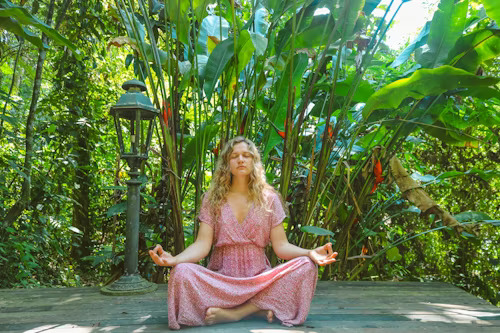
You already know the basics of health. Eat your vegetables, walk a little every day, drink enough water, and don’t text while crossing the street. Yet, despite following at least half of that advice, you sometimes feel like you’re missing something—the bridge between your racing thoughts and your aching shoulders.
Your mind and your body are not two separate apartments stacked on top of each other. They’re roommates in the same studio, bumping into each other, and fighting over who gets to control the thermostat. When your mind suffers, your body responds. Spiritual practices (whether meditation, prayer, yoga, chanting, or just sitting quietly with your coffee and calling it sacred) have long claimed to be the secret thread stitching mind and body together. Science has started to agree. Which means that the hour you spend meditating isn’t just about “being calm” (whatever that means), it’s about rewiring your nervous system. This is exactly where curiosity leads you: first to yoga, then to crystals, and finally to late-night Googling about energy healing and online psychic readings.
Stress is a biological event. When you’re stressed, your body throws a cocktail party for cortisol and adrenaline. Your heart races, your blood pressure spikes, your muscles tighten as if preparing to sprint away from a lion. Only the lion is usually a tax bill, a deadline, or your boss saying, “Can we talk?”
Meditation and mindfulness give you the power to RSVP “no” to that stress party. Studies have shown that consistent meditation lowers cortisol levels, reduces blood pressure, and slows heart rate. It’s biology behaving better because you’ve decided to give it a moment of silence. You can practice in your car, parked in the grocery store lot, if that’s where you find peace.
Breathing, the most boring and overlooked of bodily functions, turns out to be the golden key to the mind-body connection. Most of us breathe like we’re being charged for oxygen—shallow, hurried, stingy. Deep breathing, however, activates the parasympathetic nervous system, which is your body’s version of a cozy blanket and a warm cup of tea.
Spiritual traditions—from pranayama in yoga to the deep-breathing practices in Christian contemplative prayer—have always known this. Breath is the bridge. It quiets your mind, steadies your heart, and tells your immune system: you can relax now. Which, ironically, is when your immune system works best.
Let’s talk about prayer. You may pray often, occasionally, or not at all—but you’ve probably noticed that people who do pray seem to exhale differently. Prayer isn’t just about asking for something; it’s about surrendering the weight you’ve been carrying. And when you set that weight down, even briefly, your body sighs in relief.
Researchers have studied prayer, not always successfully, because how do you measure something so personal? But the findings suggest that prayer lowers stress, improves mood, and can even aid recovery from illness. Maybe it’s the faith. Maybe it’s the structure. Maybe it’s just having a ritual to return to. Whatever the mechanism, the effect is undeniable: your body listens when your spirit speaks.
Yoga is the obvious example, but let’s widen the lens: dance, tai chi, even walking with intention can count as spiritual movement. The common thread is that these practices don’t just move your body—they move your energy.
When you treat movement as ritual instead of exercise, you release tension differently. You lengthen your spine with reverence, not just routine. You begin to notice that the ache in your hip eases when you’ve finally forgiven someone, or that your shoulders drop after you’ve breathed through an old memory. Spiritual movement is the art of giving your body permission to speak, and when it does, it often says: Thank you.
One of the more surprising discoveries in science is how spiritual practices boost immunity. Meditation has been linked to higher antibody levels. Gratitude journaling (yes, the thing you always mean to start) has been shown to reduce inflammation. Even regular participation in spiritual communities—whether that’s church, temple, or just a weekly meditation group—has been associated with longer lifespans.
Your immune system, it seems, likes consistency. It likes rituals. It likes the idea that you’re not just surviving the day but honoring it.
If your mind and body have the most contentious relationship, it’s probably at night. You lie down, your body ready to rest, and your mind decides it’s time to host a symposium on every mistake you’ve ever made.
Spiritual practices help here, too. Meditation before bed reduces insomnia. Prayer acts like a mental lullaby. Even writing down your worries and labeling it a ritual can quiet your brain enough to drift off. And the next morning, when you wake rested, you discover the obvious: the mind-body connection is not just about philosophy—it’s about eight hours of actual, blessed sleep.
Here’s the thing: you don’t need to overhaul your life or start wearing robes. The mind-body connection thrives on small, steady practices. Begin with five minutes of quiet. Light a candle before dinner. Breathe deeply in traffic. Whisper thanks to no one in particular. These are the threads that weave into something larger.
And if you want to dive deeper—if you find yourself craving meaning in the moments that feel empty—that’s when you might experiment with new practices. Energy healing. Sound baths. Journaling. Even those late-night searches for insight that end, inevitably, with curiosity about psychics. You’re not alone in wondering what else might be out there, beyond what you can see, feel, or measure.
Ultimately, this isn’t about religion, or science, or tradition. It’s about remembering that your body isn’t a machine you drag around behind your brain. It’s about realizing that you’re an ecosystem, not a set of parts. And when you honor that—when you breathe, pray, move, rest—you discover health that’s not just physical, not just mental, but whole.
That’s the secret. You don’t need to choose between kale and contemplation, between cardio and candles. You just need to listen to the conversation happening inside you, the one where body and spirit are not enemies but allies, trying to keep you alive, balanced, and maybe even happy.
Comments (0)