Restaurant Booths and Back Health: What Med Students Should Know About Posture
12 months ago 1452

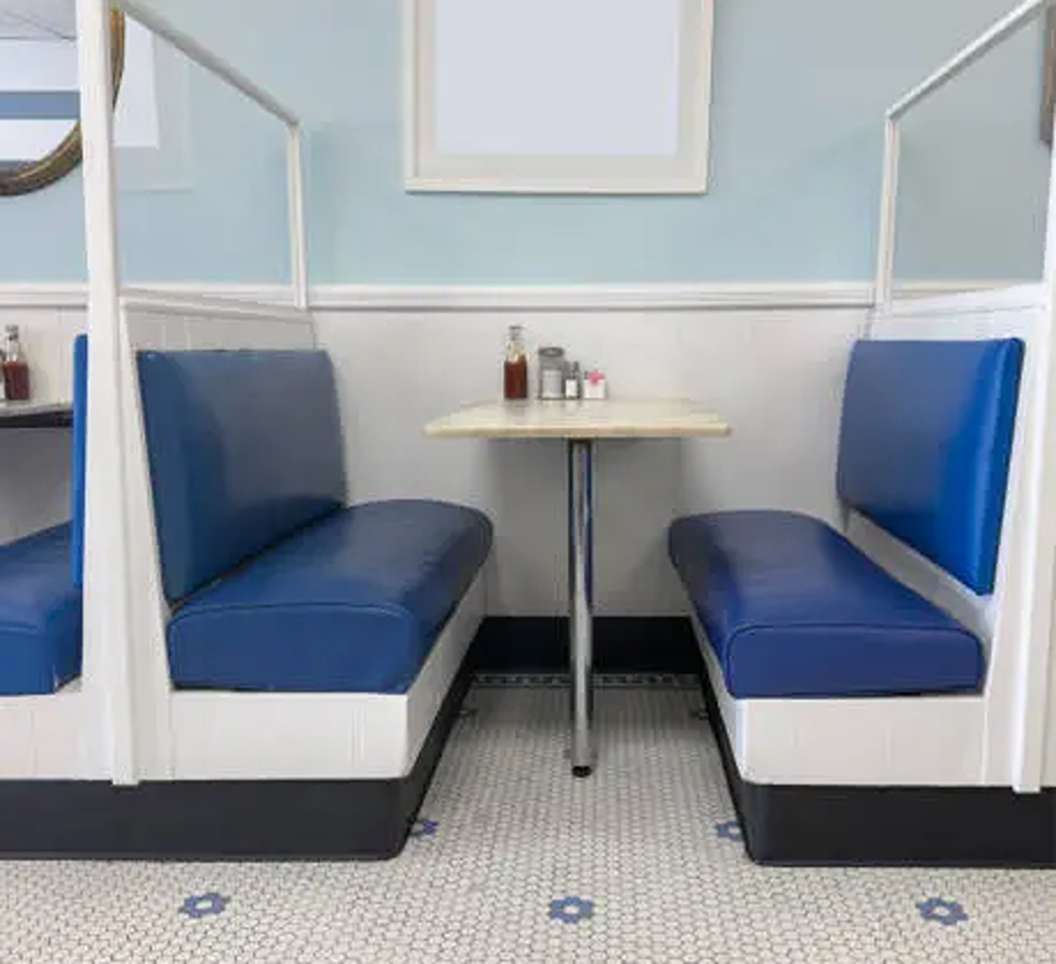
Many people overlook their posture until it becomes a part of their daily life. Studies show that nearly 80 percent of adults will struggle with back problems at some point, making the way we sit more critical than we think. For medical students, the issue is even more pressing. Long hours of studying in libraries, cafés, and restaurants often mean spending more time seated than moving, and this routine takes its toll on the spine.
Booths are a favorite choice for students because they feel cozy, private, and inviting. Yet the very comfort that draws people in can also hide health risks. Only premium-quality restaurant booths are designed with anatomy in mind, and misalignment during prolonged sitting sessions in bad-quality booths can cause subtle harm to the back. Research reveals that approximately 40 percent of medical students report experiencing low back pain, while over 70 percent admit to sitting for more than seven hours a day. In another survey, more than 90% of students reported that their posture needed improvement. Clearly, awareness is required. Choices made today about where and how to sit can influence long-term musculoskeletal health.
The human spine has three natural curves in the neck, chest, and lower back, and maintaining these shapes is key to maintaining healthy posture. When a chair or booth does not support these curves, the body begins to adapt in unhealthy ways. Forward head posture, rounded shoulders, and a compressed lower back often result.
Slouching in a booth adds uneven pressure to the discs that cushion the vertebrae. Over time, this can accelerate wear and cause discomfort that persists even after standing. Leaning forward while reading or typing magnifies the load on the spine by more than 150 percent compared to sitting upright. Proper seating is supposed to align the hips, spine, and head, but booths rarely provide this level of support. Laboratory studies have shown that sitting for four to five hours causes a measurable rise of 15 to 20 percent in stiffness of the lower back muscles, a reminder of how quickly strain develops without movement. Static posture also reduces circulation, making fatigue appear sooner. Slouching in a booth adds uneven pressure to spinal discs, increasing stiffness and fatigue, which highlights the role of chiropractic therapy, massage, and even supportive tools like specialized dermatology equipment in managing and treating neck and back pain.
Booths are designed for comfort, privacy, and efficient use of space, rather than for medical precision. Their soft cushions initially feel relaxing, but they often cause the pelvis to tilt backward and flatten the natural curve of the lower back. Backrests that recline too far encourage slumping, leaving the upper spine unsupported.
Seat depth also plays a role. A shorter person may struggle to keep their feet flat on the floor, while taller individuals might not receive enough thigh support. Since most booths are fixed in place, people cannot adjust them to fit their own body size. The height of the table compared to the seat height also affects posture. If the table is set too high, shoulders rise awkwardly. If it is too low, leaning forward becomes unavoidable. To make matters worse, booth padding compresses over time, slowly reducing any support it once offered.
Studying often stretches into marathon sessions, and booths become temporary offices for many medical students. These sessions can push the body beyond healthy limits. Sitting for ten to twelve hours in a single day is not uncommon among students preparing for exams. Prolonged stillness increases the risk of stiffness in the neck and lower back pain. Carrying heavy backpacks only exacerbates the problem, as the weight strains muscles before even sitting begins.
Research has confirmed that long sitting sessions often lead to discomfort. In some surveys, more than 60 percent of students reported lower back pain after only two hours of continuous sitting. Additional factors such as gender and body mass index can play a role, with female students more frequently reporting musculoskeletal symptoms. Studying at home, compared to on campus or in restaurants, can also influence pain patterns. Despite these risks, many students have a limited understanding of ergonomics and posture, leaving them vulnerable to long-term problems.
Although booths are far from perfect, students can take small steps to protect themselves. A cushion or even a rolled-up jacket placed at the lower back restores some of the lumbar curve that booths fail to support. Sitting with your hips fully back in the seat, instead of sliding forward, reduces slouching.
Switching positions is essential. Alternating between booths, chairs, and standing breaks lessens the strain of any one position. Textbooks and laptops should be kept at eye level to minimize the need for constant neck bending. Every 30 to 45 minutes, standing up and stretching can help relieve spinal pressure.
Other strategies include ensuring that feet rest flat on the floor and knees bend at approximately 90 degrees. Lightly engaging core muscles while upright supports the lumbar spine and shifts some of the burden from passive structures. A footrest, even something as simple as a backpack, allows small shifts in weight throughout a long session.
Remaining still may seem harmless, but it has profound effects. Muscles need circulation to stay nourished, and static postures slow blood flow, creating stiffness and pain. Even good posture can lose its benefits if it is held for hours without a break.
The key lies in frequent position changes. Minor adjustments made throughout a sitting session can prevent fatigue from building. Simple stretches, such as rolling the shoulders or twisting at the waist, help restore circulation. This is why preventive habits matter just as much as treatment.
Controlled experiments confirm these ideas. Sitting for around four and a half hours in one position increases lower back stiffness by as much as 20 percent. Micro breaks every 20 to 30 minutes, even if they last only a few seconds, reduce discomfort and keep muscles healthier. Standing briefly, walking a few steps, or leaning to stretch can make a noticeable difference.
Restaurants play a crucial role in promoting healthier eating habits. By rethinking booth design, they can improve both customer comfort and business outcomes. Adding adjustable backrests or modular cushions allows individuals to find a position that suits them. Firmer padding in the lumbar area provides ongoing support, preventing it from collapsing under weight.
Offering booths with different seat depths accommodates both shorter and taller guests. Paying attention to the height of tables in relation to seats also prevents unnatural shoulder and neck positions. Some restaurants may take it a step further by incorporating standing tables or flexible seating options alongside traditional booths.
A healthier design can also benefit a business. Patrons who feel physically comfortable tend to stay longer and spend more. Surveys suggest that nearly 70 percent of American diners prefer booth seating over other options, making this a powerful point of attraction. A well-designed booth serves both comfort and health while boosting customer satisfaction.
For medical students, posture is not just about comfort; it's also about health. It is about protecting health while balancing demanding study schedules. Understanding the structure of the spine and the risks associated with poor seating can make a significant difference in daily life.
Simple steps such as using lumbar support, taking breaks, and keeping books or screens at eye level are within everyone’s reach. Awareness of how posture and seating design interact prepares students not only to protect themselves but also to advise future patients with credibility and confidence.
Back pain should never be accepted as an unavoidable part of education. Even small actions, such as standing up for five minutes or placing a towel behind the lower back, can create meaningful change when practiced consistently. Developing these habits early builds resilience against long-term problems.
By spreading awareness of good posture among peers and encouraging healthier study environments, medical students can contribute to a community where well-being is valued alongside academic achievement. Restaurant booths may never be perfect, but with mindful choices, they can be enjoyed without sacrificing back health.
Comments (0)