4 Things to Know Before Buying Dermatology Equipment
10 months ago 623


The dermatology profession is at the edge of change, with the year 2025 ushering in more advanced medical equipment in clinics and laboratories. Dermatologists now have a growing arsenal of AI-driven diagnostics, energy-based therapies, and more to provide safer, more effective, and more patient-centered care than ever. The selection of the appropriate equipment, however, is a big commitment. It is important to look past marketing hype before making that purchase and make sure that every investment is in line with clinical objectives, budgetary realities, and the constantly changing standards of care.
As the landscape becomes more complex, working with a knowledgeable supplier like Amtech Medical can make all the difference. Amtech Medical is a U.S.-based company specializing in the sale, service, and support of medical equipment and parts, from lasers and laboratory instruments to exam tables and spa devices. Their experience in sourcing quality equipment for clinics, labs, and medspas helps buyers navigate the increasingly crowded market with confidence.
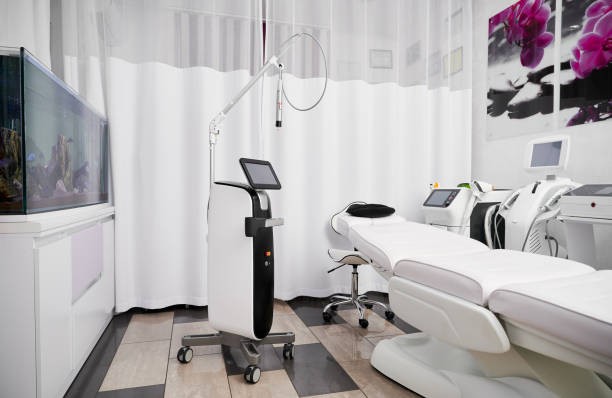
The hype of the latest dermatology equipment must never take precedence over the basics of patient safety and effectiveness. Always insist on strong, peer-reviewed clinical evidence, not merely seller information, to back device claims. Even the newest lasers, radiofrequency equipment, or AI-driven analyzers should be able to provide the same results with different populations. New FDA clearances, ISO certifications, and transparent adverse-event reporting are not negotiable, which will provide providers (and patients) with peace of mind when they implement these innovations.
In 2025, a lot of clinics are considering the use of such tools as full-body 3D imaging, AI lesion tracking, and personalized treatment systems. Although these technologies have the potential of detecting diseases earlier and improving their outcomes, their application must always be well-balanced to the needs and demographics of the patients in the practice. Find technologies that provide significant benefits, like improved diagnostic accuracy or fewer side effects of treatment, instead of the ones that are merely fashionable.
Not all devices are appropriate for all practices. The most appropriate investment is the one that suits the processes provided in the modern world and the expected number of patients in the future. Hurried decisions are known to result in costly instruments lying in storage. Determine the dermatology services that are in demand in the local market, whether it is acne treatment, skin cancer screening, cosmetic rejuvenation, or pigmentation treatment. Will the new equipment enhance efficiency, enable expansion of services, or eliminate the old manual processes?
Think about workflow integration: Does the new technology readily interface with the current electronic health records, imaging systems, or laboratory analyzers? As an example, skin analysis and AI image evaluation are becoming more popular with a cloud connection, enabling clinics to store patient data safely and conduct a remote consultation.
Also, do not ignore the training of staff. The most sophisticated machine will not provide any positive results in case the users do not feel confident about using it safely and efficiently.
Investment is not only the purchase price. Estimate the total expenses, including installation and consumables, maintenance, software upgrades, and employee training. Leasing, financing or considering refurbished options can be more flexible as technology cycles are increasingly fast and new features are released each year. Obtain all-inclusive warranties, preventive maintenance agreements, and quick-response technical support to reduce downtime and secure long-term value.
Specifically, upgrade path and part replacement demand transparency. Devices can also need regular software updates or verification with accessories, particularly with high-use lasers, phototherapy units, or lab analyzers, due to constant innovation. Collaborating with reliable suppliers, including Amtech Medical, is a guarantee of long-term service and professional assistance as the needs change.
In 2025, dermatology is still disrupted, with wearable skin monitors becoming commonplace and genuinely personalized AI-enhanced care becoming a reality. Clinics and labs ought to be up to date with new technologies, such as:
Consider new equipment by regularly reading clinical publications, attending conferences, and seeking peer practice feedback. Investments based on evidence and future trends allow dermatology providers to make sure that each purchase will be beneficial to patients and help the practice grow.
The modern dermatology equipment market is flourishing at the crossroads of science, technology, and patient care. Those practitioners who consider safety, efficiency, cost, and innovation, but choose partners they can trust, will be in the best position to succeed in the long term in this dynamic field.
Comments (0)