Where to Find Free Books: Best Platforms for Readers in 2025
1 year ago 2583

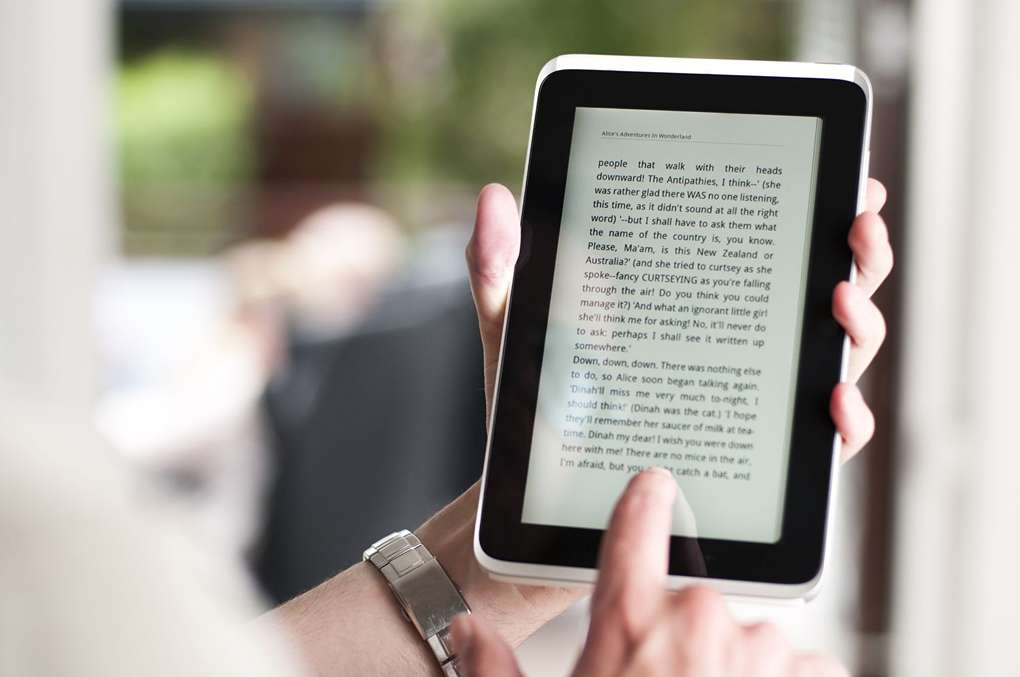
Books are not just stories. They are tools, escapes, lessons, and companions that follow us in every corner of life. In 2025, the hunger for free reading material is stronger than ever. People want knowledge, entertainment, and comfort without burning through their wallets. Luckily, the digital world is overflowing with possibilities. But which places stand out? Which websites for free book downloads are truly worth bookmarking? Let’s explore.
The numbers tell a story. According to a 2024 survey, over 65% of global readers admitted they prefer digital formats over printed editions. Another statistic: nearly half of those readers actively search for ways to read books for free. Rising costs of e-books and printed novels push this trend forward. But it’s not just about money. Accessibility matters. Free services allow students, casual readers, or passionate collectors to access content instantly—without waiting for deliveries or paying subscription fees.
Several well-known libraries exist online, offering completely legal and safe ways to download or read books online. A few classics continue to dominate:
Each platform feels different. Project Gutenberg leans on classics, while Open Library opens the door to more recent works. ManyBooks mixes both worlds. Together, they form the foundation of today’s free reading ecosystem.
Websites alone are no longer enough. People want flexibility. They want to start a novel on a laptop, continue it on a phone while commuting, and finish it on a tablet before bed. That’s where a reading app becomes essential. Apps sync across devices, recommend titles, and add tools like highlighting, offline storage, or customizable fonts.
And here comes an interesting trend: new apps don’t only serve books already in the public domain. They connect readers with living, breathing authors writing right now. Communities, discussions, serialized storytelling—2025 makes reading feel interactive.
Among these modern solutions, FictionMe is making noise. Unlike the old giants, FictionMe combines free access with community-driven storytelling. Readers looking to read novels online free can head to the app and explore an evolving library that feels alive. This is why read books online is valuable:
What makes FictionMe stand out?
In a sense, FictionMe mixes entertainment with participation. You don’t just consume—you engage. In 2025, that kind of platform is what many best services for readers aspire to become.
FictionMe isn’t alone. The digital landscape in 2025 still offers other best services for readers, each with its niche:
If you like structured, traditional libraries, these platforms deliver. If you crave something interactive, FictionMe for Android and iOS Devices leads the charge. The best thing is to combine traditional reading and digital books.
Trends matter. In 2025, global reports show that average reading time per person has increased to about 7 hours per week, up from 6 hours in 2022. That’s growth, despite constant competition from video and social media. Another fact: over 40% of those hours are spent on digital platforms. Which means the fight between paid subscription models and free access services is only heating up.
Interestingly, younger readers—aged 16 to 25—are the biggest consumers of platforms like FictionMe. They enjoy the option to read novels online free while also experimenting with interactive storytelling. Meanwhile, older demographics lean toward traditional archives such as Project Gutenberg.
Free platforms are not charity—they’re culture preservers and innovation drivers. They:
Without them, many potential readers would simply walk away from literature altogether.
So, where do you go in 2025 to read books for free? The answer depends on what you want. If classics and historical texts excite you, Project Gutenberg, Open Library, or Internet Archive remain unbeatable. If you want a modern experience—fresh voices, living authors, interactive communities—then FictionMe is the name to remember.
Books are no longer locked inside libraries or behind expensive paywalls. With just a few clicks, and sometimes with a simple reading app, you can carry entire worlds in your pocket. That’s the gift of digital platforms. And that’s why FictionMe and similar services will likely define the next wave of global reading.
Comments (0)