Why See a Periodontist vs. General Dentist for Implants
10 months ago 999

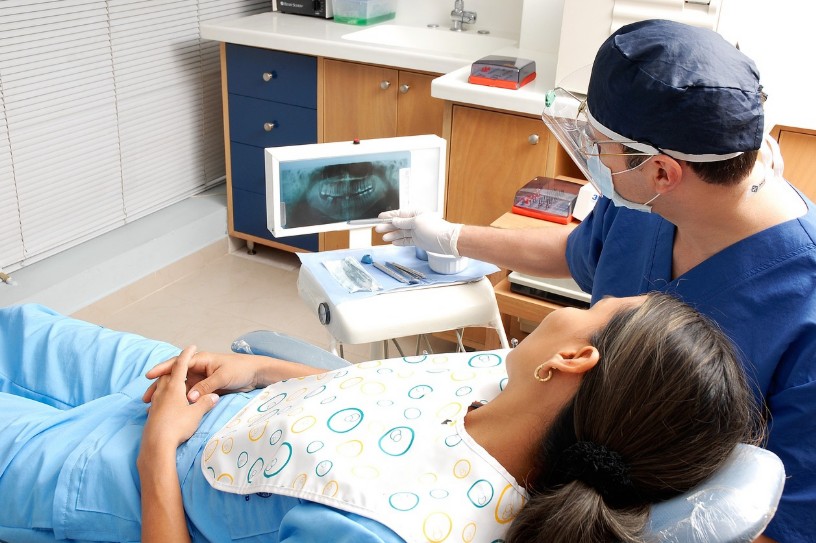
Dental implants have become the gold standard for replacing missing teeth, with success rates exceeding 95% when properly placed and maintained. Unlike dentures or bridges, implants provide a permanent solution that looks, feels, and functions like natural teeth. They consist of a titanium post surgically placed into the jawbone, topped with an abutment and crown that mimics your original tooth.
When you need a dental implant, you'll likely face an important decision: should you see your general dentist or visit a periodontist? Both professionals can place implants, but they bring different levels of training and expertise to the table. Some cases may also require additional procedures like periodontal plastic surgery to achieve optimal results, particularly when gum tissue needs reshaping around the implant site.
The choice between these two providers often depends on the complexity of your specific case, your overall oral health, and your personal preferences. Understanding the differences can help you make the best decision for your situation.
General Dentists and Implant Care
Your general dentist completed four years of dental school and may have additional training in implant procedures through continuing education courses. Many general dentists successfully place implants, especially for straightforward cases involving single teeth in healthy bone. The main advantage of staying with your general dentist is continuity of care. They already know your dental history, understand your concerns, and can handle the entire process from surgery to final crown placement.
General dentists often charge less for implant procedures and may offer more flexible scheduling. If your case is routine and your dentist has solid implant experience, this can be an excellent choice that saves time and money while maintaining the comfort of working with a familiar provider.
Periodontists and Specialized Training
Periodontists complete an additional three years of specialized training after dental school, focusing specifically on gum disease treatment, bone grafting, and implant surgery. This extensive education gives them deeper knowledge of bone biology, healing processes, and advanced surgical techniques. They stay current with the latest research and often use cutting-edge technology in their practices.
A periodontist's specialized training becomes particularly valuable for complex cases involving bone loss, gum disease, multiple implants, or aesthetic concerns in visible areas. They're also better equipped to handle complications if they arise during treatment.
Your general dentist may be the right choice if you need a single implant to replace a tooth in an area with healthy bone and gums. This is especially true if your dentist has extensive implant experience and you're comfortable with their skills. Staying with your general dentist offers convenience, as they can handle both the surgical placement and final restoration in one location.
Cost considerations may also favor your general dentist, particularly for routine cases. Since they're already familiar with your oral health history and treatment preferences, the entire process may feel more comfortable and streamlined.
Complex cases typically require a periodontist's specialized expertise. If you have gum disease, significant bone loss, or need bone grafting procedures, a periodontist's advanced training becomes crucial. They're also the better choice for full mouth reconstructions involving multiple implants or cases in the aesthetic zone where appearance is critical.
Patients with medical conditions that affect healing, such as diabetes, or those taking medications that impact bone health may benefit from a periodontist's specialized knowledge. Previous implant failures also warrant the expertise of a specialist who can identify and address the underlying causes.
Many successful implant treatments involve collaboration between general dentists and periodontists. Your general dentist might refer you to a periodontist for the surgical phase, then take over for the final crown placement. This team approach combines specialized surgical expertise with ongoing care from your familiar dentist.
Before choosing a provider, ask about their implant experience and success rates. Request to see before and after photos of similar cases. Understand their policy for handling complications and whether they coordinate with other specialists when needed.
Consider getting consultations from both your general dentist and a periodontist if you're unsure about the complexity of your case. Most dental professionals will honestly assess whether your case falls within their expertise or requires referral to a specialist.
Both general dentists and periodontists may use advanced technology like 3D imaging for treatment planning and computer-guided surgery for precise implant placement. However, periodontists often have access to the latest techniques and materials due to their specialized focus.
Both general dentists and periodontists can provide excellent implant care when the case matches their expertise level. Simple, straightforward implant cases often succeed beautifully with general dentists, while complex cases benefit from a periodontist's specialized training.
The key is honest assessment of your specific needs. Don't hesitate to seek multiple opinions if you're unsure about the complexity of your case. Your oral health investment deserves careful consideration to ensure the best possible outcome.
Remember that successful implants can last decades with proper care, making the initial choice of provider an important decision that will impact your oral health for years to come.
Comments (0)