What to Expect During a Professional Dental Cleaning
1 year ago 963

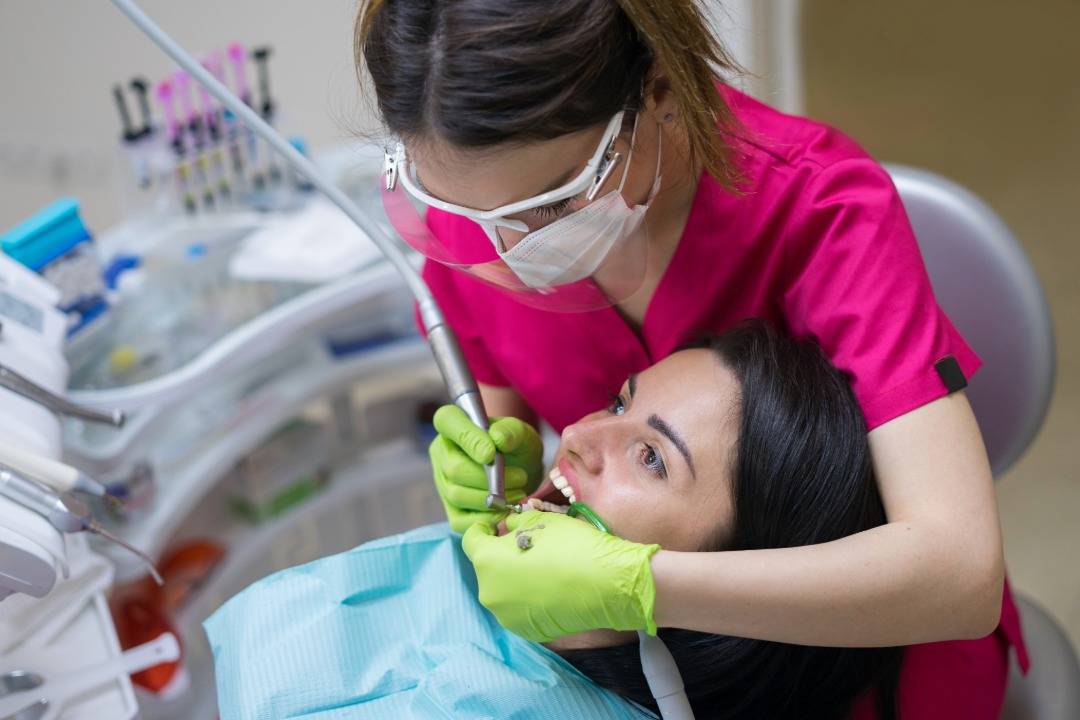
Getting a professional dental cleaning is one of the best ways to safeguard your smile and overall health. While brushing and flossing at home are essential, they cannot match the deep cleaning and preventive care you receive from a dental professional. Visiting a trusted Dentist Guelph ensures your teeth are thoroughly cleaned and examined, giving you peace of mind about your oral health.
Knowing what happens during this routine visit not only helps you feel more comfortable but also shows you why it is such an important part of oral care. This guide walks you through each step of a professional dental cleaning so you know what to expect from beginning to end.
A professional dental cleaning is more than a polish for your teeth. This preventive treatment aims to safeguard your teeth and gums from common problems like cavities, gum disease, and bad breath. Regular cleanings also help your dentist or hygienist detect early indications of oral health issues before they worsen. This proactive approach saves you from costly and painful treatments later.
Now that you understand why dental cleanings are important, let us walk through the step-by-step process so you know exactly what to expect during your visit.
Every dental cleaning starts with a comprehensive examination. A dental hygienist usually performs this step. Using a small mirror, the hygienist inspects your teeth and gums for plaque buildup, tartar, inflammation, and other concerns. If they notice serious issues, the dentist may step in to evaluate further before continuing with the cleaning.
This initial check ensures that your treatment plan addresses your unique oral health needs. It also provides peace of mind knowing that your dentist is looking for hidden problems that you may not notice on your own.
The next stage is scaling. During scaling, the hygienist uses specialized tools to remove plaque and hardened tartar around your gum line and between your teeth. Plaque is a daily-forming, sticky film composed of bacteria. If it is not removed, it hardens into tartar, which cannot be eliminated by regular brushing or flossing.
Scaling may feel slightly uncomfortable, especially if tartar has built up over time. However, the process is safe, efficient, and essential for preventing gum disease and tooth decay. The hygienist works carefully to clean each tooth surface, leaving your mouth fresher and healthier.
Once tartar and plaque are removed, the hygienist polishes your teeth with a high-powered electric brush and a gritty toothpaste. The texture of the toothpaste gently scrubs away any remaining stains and smooths the tooth surfaces. This step is not something you should do at home with regular toothpaste, as professional-grade polishing paste is designed for occasional use.
The result is a noticeably brighter smile and a smooth enamel surface that makes it harder for plaque to stick between cleanings.
Even if you floss daily, professional flossing takes it to another level. Your hygienist expertly cleans between your teeth, removing debris or buildup from areas that are difficult to reach. They also identify spots where your gums may bleed or where food tends to get trapped.
This guidance is valuable because it helps you understand which areas need more attention during your home care routine.
After scaling, polishing, and flossing, you will rinse your mouth to remove any lingering particles. A fluoride treatment often follows. Fluoride is a mineral found naturally that reinforces enamel and helps prevent cavities. During this step, the hygienist applies fluoride to your teeth in the form of a gel, foam, or varnish.
The treatment takes only a few minutes but provides long-lasting protection against decay until your next cleaning.
Before you leave, your dentist or hygienist may conduct a final check to ensure everything looks healthy. They may review X-rays if needed, explain any concerns, or suggest additional treatments such as sealants or periodontal therapy if gum disease is present.
Most importantly, you will receive practical advice on brushing techniques, flossing habits, and dietary choices that support oral health. Personalized recommendations help you maintain results at home and reduce the risk of problems between visits.
Most people benefit from a cleaning every six months. However, your dentist may recommend more frequent visits if you have specific conditions such as gum disease, a history of cavities, or orthodontic appliances. Following your dentist’s advice ensures that your mouth remains healthy and prevents serious complications.
Professional cleanings deliver more than a sparkling smile. They contribute to your overall health and well-being. Here are some of the key benefits:
Professional cleanings are vital, but your daily habits matter just as much. To keep your teeth and gums healthy between visits:
Knowing what to expect during a professional dental cleaning helps you feel more comfortable and confident about your visit. From examination and scaling to polishing and fluoride treatment, each step is designed to protect your smile and keep your mouth healthy.
If you have not scheduled your next cleaning, now is the perfect time. A professional cleaning is not just about appearance. It is a crucial investment in your long-term health. Trust your dental team to guide you and support your journey to a healthier smile.
Comments (0)