Your Complete Guide to Wisdom Teeth Removal: What to Expect
11 months ago 720

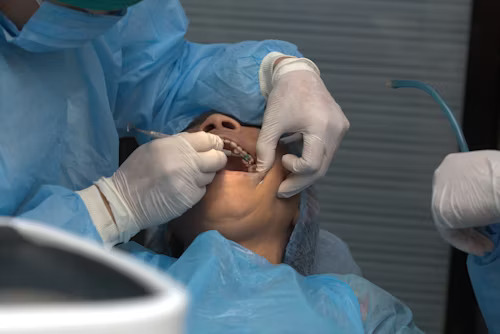
That dull ache in the back of your jaw can be more than a little distracting. You find yourself wondering if it's the start of something serious, and the thought of wisdom teeth removal might pop into your head. You're not alone in feeling this way, but putting off a checkup might lead to bigger dental problems down the road. The truth is, a proactive approach to wisdom teeth extraction can save you a lot of pain and trouble.
You've probably heard all sorts of stories about wisdom teeth. They are your third molars, the very last teeth to arrive, usually showing up in your late teens or early twenties. They're called "wisdom" teeth because you're supposed to be older and wiser when they appear.
Our ancestors needed these powerful molars to grind up tough foods. Today, our diets are much softer, and we use forks and knives. So, these teeth are mostly leftovers from an earlier time in human history, and their removal is a very common surgical procedure.
Here's an interesting fact: not everyone gets them. Some people are born without any wisdom teeth at all, a small hiccup of modern evolution. For most of us, though, genetics means we can expect up to four of them to eventually make an appearance.
Just because you can't see them doesn't mean they aren't there. Wisdom teeth can stay hidden beneath your gums for years, becoming impacted wisdom teeth. An x-ray at your dentist's office is the only sure way to know what's happening and to evaluate your overall oral health.
Trying to guess if that wisdom tooth pain is a problem can be tricky. Is it a growing pain, or is something wrong? It's not always easy to tell the difference on your own.
Sometimes wisdom teeth grow in without much fuss, which is the best-case scenario. But more often than not, our jaws just don't have enough space for four new, large teeth. As a tooth starts to break through the gums, you can expect some normal aches and pains.
You might feel a throbbing pressure deep in your gums. Some people even notice their gums look swollen or have small cuts where the tooth is emerging. It's not uncommon for this pressure to cause headaches or even a stuffy feeling in your sinuses.
Lingering pain, on the other hand, is usually your mouth's way of sending up a red flag. Constant discomfort can mean there isn't enough room for your wisdom teeth to grow properly. This can set off a chain reaction of other dental problems.
If a tooth is growing sideways, it is considered an impacted tooth. It can lead to swollen gums, a stiff jaw, and sometimes even a low fever from a pain infection. These are all signs you should get it checked out by a dental professional.
So, you've got tooth pain in the back of your mouth and you're starting to worry. The thought of needing to remove wisdom teeth can feel scary, but understanding the signs can help you make an informed decision. Ignoring them is rarely a good idea, as it can lead to long-term complications.
Your body is pretty good at telling you when something isn't right. Persistent oral pain is a signal you shouldn't overlook. Here are a few common signs that specialists recommend wisdom teeth removal for.
When wisdom teeth try to squeeze into a crowded jaw, they often come in at an angle. This can push on other teeth and cause a lot of irritation. Your gums can become red, swollen, and very sensitive, which is a sign of gum disease.
Sometimes, a small flap of gum tissue forms over a partially erupted wisdom tooth. Food and bacteria can get trapped underneath this flap. Left alone, this can cause a painful infection called pericoronitis, which creates significant swelling and discomfort.
This one might surprise you. Are you dealing with headaches, sinus pressure, and congestion that just won't go away? It might not be a cold; your wisdom teeth could be the culprit.
The roots of your upper wisdom teeth are located very close to your sinus cavities. As these roots grow, they can press against your sinuses, creating pressure and pain. If you have allergy or cold symptoms that don't seem to have another cause, it's worth considering your wisdom teeth.
Your jaw wasn't built to accommodate an extra set of molars. When wisdom teeth push their way in, they put a lot of pressure on your entire jaw. This can lead to a constant, dull ache that's hard to ignore.
If you have an impacted tooth or an infection, you might also feel swollen lymph nodes under your jaw. This adds to the overall stiffness and pain. It can even make it hard to open your mouth all the way, mimicking symptoms of facial trauma.
Even if your wisdom teeth don't hurt, they can still damage nearby teeth. The constant pressure from an impacted wisdom tooth can push your other teeth out of alignment. This can undo years of expensive orthodontic work and create future dental issues.
An impacted tooth can also trap food and plaque against the next molar. This makes the area incredibly hard to clean. Over time, it can lead to decay on the neighboring tooth, a problem you definitely want to avoid.
While many people focus on the immediate pain, leaving impacted wisdom teeth can lead to more severe issues. Specialists often recommend wisdom tooth removal as a preventative measure. Understanding the risks can help clarify why this tooth extraction is so common.
An impacted tooth creates a space where bacteria thrive, leading to recurrent infections. Over time, this can cause significant damage to the surrounding bone. This loss of bone can weaken the jaw and affect the stability of the nearby tooth.
In some rare cases, a fluid-filled sac, or cyst, can form around the crown of an impacted tooth. This cyst can grow, destroying the surrounding bone, roots of nearby teeth, and even nerves. This area of study is a part of oral pathology, and early removal can prevent such developments.
Hearing that you might need a tooth removal can be unsettling. Knowing what the process involves can help calm your nerves. The good news is that professionals in maxillofacial surgery perform this procedure every day, and they have plenty of options to make you comfortable.
The first step is a consultation. Your surgeon will take X-rays to see the exact position of your wisdom teeth. They'll look at the roots and how close they are to nerves and sinuses, assessing the health of the surrounding bone to create the safest plan for your teeth extraction.
This is your chance to ask any questions you have. Your surgeon's main goal is to make you feel prepared and relaxed. Be open about any anxiety you're feeling so they can help you feel at ease about the upcoming wisdom tooth extraction.
The big question most people have is about pain. Thanks to modern anesthesia, you shouldn't feel any pain during the surgery. You and your surgeon will decide on the best option for you based on the complexity of your case and your comfort level.
| Anesthesia Type | What It Is | What You'll Feel |
| Local Anesthesia | An injection numbs the area around the tooth, similar to a filling. | You will be awake and aware but will not feel pain, only some pressure. |
| IV Sedation | Medicine is given through a vein, putting you in a relaxed, twilight state. | You'll be semi-conscious but will not remember much, if any, of the procedure. |
| General Anesthesia | This puts you completely to sleep for the entire surgery under an anesthesiologist's care. | You will not feel, see, or remember anything from the surgery itself. |
Deciding which one is right for you is a personal choice. Your surgeon will help you weigh the pros and cons of each type. Information from reliable sources like the Mayo Clinic can also provide additional context for managing health expectations.
What happens after you get home is just as important as the surgery itself. Following your aftercare instructions is vital for a smooth recovery. Good care helps reduce pain, swelling, and the risk of complications.
Pain is normal after the removal procedures. Your mouth has been through a lot. Your surgeon will give you a prescription for pain medicine to help you manage it. Take it as directed, and try to stay ahead of the pain.
How long recovery takes depends on how difficult the tooth removal was. Most people feel much better within three to five days. But it can take a full week or more for some to get back to normal.
Immediately after surgery, you'll be biting down on a gauze pad. This pressure helps a blood clot form in the empty extraction socket. This clot is incredibly important for healing, so you want to protect it.
Some minor oozing is normal for the first day. Avoid spitting, vigorous rinsing, or drinking through a straw. These actions can dislodge the clot and cause more bleeding. Just gently wipe your mouth and rest.
Swelling is also to be expected, and it usually peaks around the second or third day. Using an ice pack on your cheeks for the first 48 hours can help a lot. After that, switching to moist heat, like a warm washcloth, can feel good and help the swelling go down.
Staying hydrated is crucial for a good recovery. Drink plenty of lukewarm water, but remember, no straws. The sucking motion is a big risk for dislodging that healing clot in the socket.
As for food, think soft. For the first few days, you'll be on a diet of foods that are easy to eat. You want to avoid anything that requires a lot of chewing or anything with small particles that could get stuck in the surgical site.
Avoid things like popcorn, nuts, seeds, and rice. You should try to chew on the opposite side of your mouth from where the surgery was performed. Slowly introduce more solid foods as you start to feel better and your jaw is less sore.
You may have heard people talk about getting a dry socket. This is a painful condition that happens when the blood clot in the tooth socket gets dislodged or dissolves too soon. This leaves the underlying bone and nerves exposed to air and food.
Following your aftercare instructions is the best way to prevent it. Don't smoke or use any tobacco products during your recovery. Also, avoid using straws and be very gentle when rinsing your mouth. If you experience severe, throbbing pain a few days after surgery, call your oral surgeon right away.
The idea of wisdom teeth removal can seem like a big deal, and it's okay to feel nervous. Remember, this is one of the most common oral surgery procedures performed. Your surgeon's job is to keep you safe and comfortable through the entire process from consultation to recovery.
If you're experiencing pain, the best first step is to get an evaluation. Addressing the problem early can prevent more serious issues like damage to nearby teeth or the need for a dental implant down the road. By understanding the signs and the process, you can make a confident choice for your oral health and get back to feeling like yourself again.
Comments (0)