Why More UK Schools Are Choosing Modular Classrooms
11 months ago 882

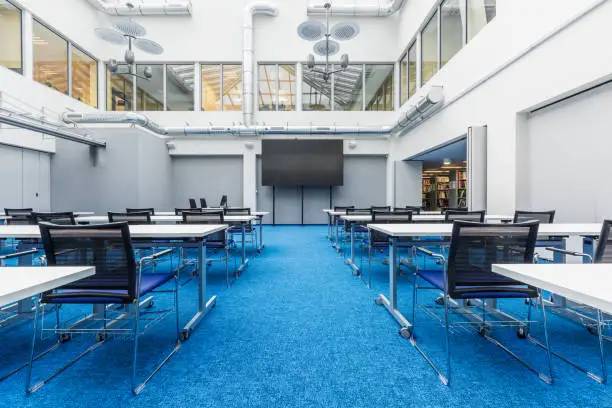
Across the UK, schools are under pressure to expand, modernise, and adapt — all while working to tight budgets and deadlines. It’s no surprise that modular classrooms are fast becoming the preferred alternative to traditional builds.
This shift isn’t just about speed and cost. It’s about tackling bigger challenges in education: rising pupil numbers, sustainability targets, and the need for adaptable, future-ready learning spaces.
Here’s why modular is leading the way.
Traditional construction can take months or years, with planning delays, weather setbacks, and on-site complications. Modular classrooms are manufactured off-site and installed quickly, often in a matter of weeks, meaning schools can react fast to rising enrolments, emergency repairs, or refurbishment projects.
Traditional builds are vulnerable to budget overruns from labour shortages or material price hikes. Modular projects offer far more predictable pricing, as most work happens in a controlled factory environment. That certainty is a major advantage for schools and local authorities managing tight or publicly funded budgets.
With many schools working towards net-zero goals, modular classrooms tick the right boxes:
They also support sustainability accreditations such as BREEAM.
Education needs change — fast. Modular classrooms can be:
From sensory spaces for SEND students to sixth-form centres or hybrid community hubs, modular gives schools the flexibility to adapt without starting from scratch.
The UK’s school-age population is increasing, and in some areas, demand for places is unprecedented. Modular classrooms can be added in phases, allowing capacity to grow without the long lead times of traditional construction.
Modern modular design has moved far beyond “basic.” Today’s classrooms are bright, well-ventilated, acoustically insulated, and equipped for technology integration. Specialist layouts for SEN provision, breakout zones, and quiet rooms are all possible — supporting student wellbeing as well as learning outcomes.
Government-backed frameworks like MMC1 and funding streams such as the Condition Improvement Fund (CIF) increasingly support modular builds. As confidence in their durability grows, policy is shifting in their favour — making it easier for schools to secure finance for modular expansion.
The pandemic put ventilation, space, and adaptability under the spotlight. Modular classrooms can be fitted with high-performance ventilation systems and layouts that allow for easy reconfiguration — making them more resilient to future challenges.
On-site disruption is one of the biggest drawbacks of traditional building. Modular classrooms are mostly built off-site, meaning less noise, dust, and safeguarding issues. Installation can often take place during school holidays, so learning continues uninterrupted.
With proven advantages in speed, flexibility, cost control, sustainability, and quality, modular classrooms are becoming a mainstream choice for UK schools. They offer a building solution that evolves with the needs of students, staff, and communities.
At GCS Group, we’ve delivered high-quality modular classrooms for schools, academies, and colleges nationwide. Whether you need a single teaching space, a SEND facility, or a full modular teaching block, we’ll design and install a solution that meets your requirements.
Contact our team today to discuss your project or view our education case studies for inspiration.
Comments (0)