The Science Behind Wisdom Tooth Removal: Anatomy, Risks, and Recovery
11 months ago 697

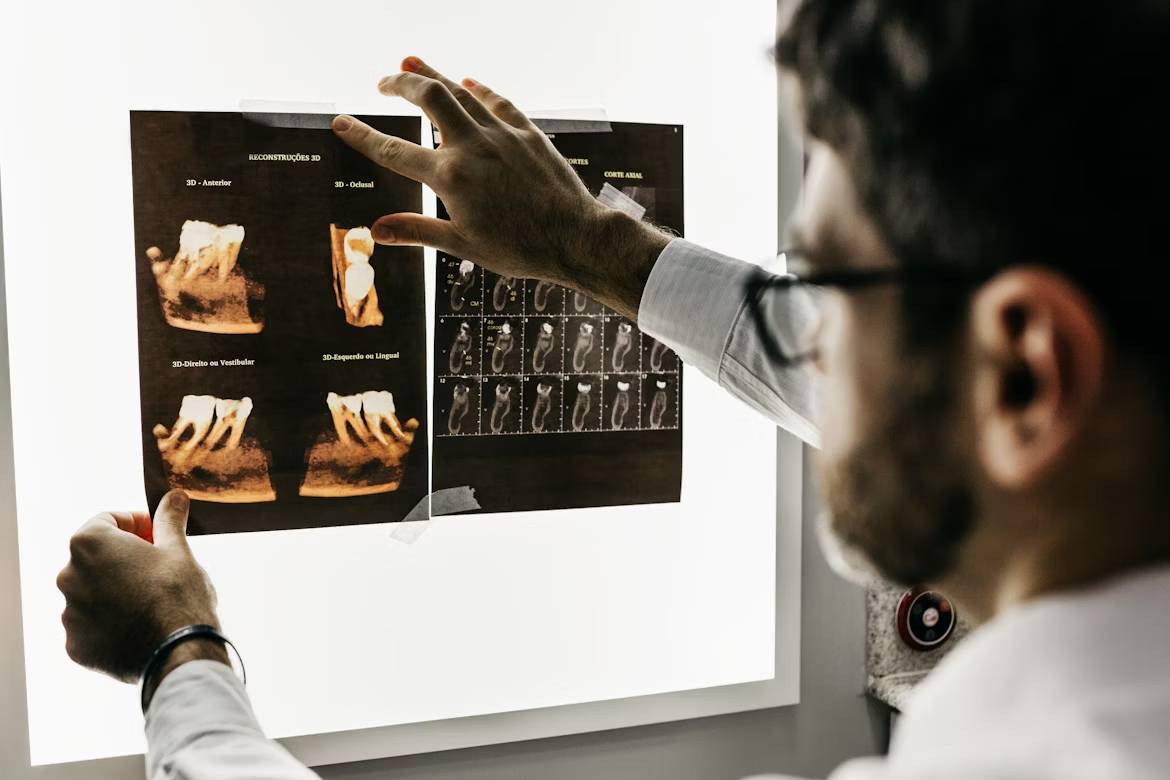
Wisdom teeth—third molars that usually erupt between ages 17 and 25—sit at a crossroads of anatomy and biomechanics. Their late arrival, variable root shapes, and proximity to critical nerves can turn a normal eruption into a surgical puzzle. If you’re comparing oral surgeons near me
to understand who is best equipped for that puzzle, it helps to know what’s happening beneath the gumline. A clear grasp of the structures involved, the reasons removal is recommended, and what recovery truly entails will make your decision more confident and your outcome more predictable.
Wisdom teeth develop in the posterior corners of the jaw, just ahead of the mandibular angle and near the ascending ramus. Their roots may curve, fork, or flare like anchors seeking purchase in the jawbone, and the crowns often sit at angles—horizontal, mesioangular, or distoangular—that complicate eruption. On the lower jaw, the inferior alveolar nerve runs inside the mandibular canal close to third molar roots, while the lingual nerve courses along the inner gum, both of which demand meticulous respect during surgery.
When space is limited—or when growth direction is unfriendly—third molars become impacted. An impacted tooth may partially erupt and create a soft-tissue pocket that traps plaque and food debris, leading to pericoronitis. Fully impacted teeth can resorb the neighboring second molar’s root, contribute to cyst formation, or remain silent until infection flares. Radiographs and cone-beam CT imaging guide the diagnosis, revealing root morphology, bone density, and the relationship to nerves and the maxillary sinus in upper molars.
Timing is a clinical calculation that weighs biology against risk. Younger patients often experience smoother recoveries because roots are less fully formed and bone is more elastic. Delaying can mean denser bone, more complex root anatomy, and higher chances of complications. That said, removal is not automatic; a truly asymptomatic, fully erupted, and cleanable wisdom tooth may be monitored with periodic imaging and hygiene reinforcement.
The surgical plan begins with precision imaging, anesthesia selection, and a roadmap for access and sectioning. Local anesthesia is standard, often supplemented by nitrous oxide or IV sedation to improve comfort and reduce anxiety. The surgeon creates a small flap, gently removes bone as needed, and sections the tooth to minimize force on adjacent structures. Throughout, irrigation cools instruments and flushes debris while careful elevation protects the lingual and buccal tissues.
Every surgery carries risk, and third molar removal is no exception. Transient numbness from irritation of the inferior alveolar or lingual nerves can occur, with permanent changes being uncommon when imaging and technique are sound. Dry socket, or alveolar osteitis, reflects a disruption of the blood clot that normally protects the bone; it typically presents as throbbing pain a few days after surgery and responds to in-office medicated dressings. Infection is uncommon with proper asepsis and post-operative care, but vigilance matters—fever, foul odor, or significant swelling warrant prompt evaluation.
Recovery unfolds in stages that mirror the biology of wound healing. The first 24 to 48 hours are inflammation’s domain, where swelling peaks and cool compresses offer real relief. By days three to five, granulation tissue is building the scaffold for repair, making gentle oral hygiene with a soft brush and warm saltwater rinses essential to keep the area clean without disturbing the clot. Analgesics are calibrated to your case; many patients do well with alternating acetaminophen and an NSAID, while others may require short-course prescription pain control under guidance.
Nutrition and movement influence outcomes more than they’re often given credit for. Soft, cool foods reduce mechanical stress and thermal irritation while keeping energy intake adequate for healing. Hydration supports mucosal health and cellular turnover, but straws should be avoided to prevent negative pressure from dislodging the clot. Limited activity for the first couple of days helps control bleeding and swelling; after that, gradually resuming normal routines supports circulation and recovery without overtaxing the surgical site.
Oral hygiene is a strategic balance between cleanliness and caution. The non-surgical areas should be brushed and flossed as usual the first night, while the surgical site is approached gently to avoid dislodging the clot. Antimicrobial rinses may be recommended for specific indications, but overuse can delay normal microbiome re-colonization, so follow your surgeon’s instructions precisely. Stitches, if placed, are typically resorbable; if not, removal is straightforward at a follow-up visit.
Longer-term outcomes hinge on three practical habits: protecting the healing socket, maintaining impeccable oral hygiene, and keeping scheduled follow-ups. A protective blood clot transitions to granulation tissue and then to new bone over weeks, so patience is part of the prescription. If a socket feels persistently tender or you notice debris collecting in the area, your surgeon can gently irrigate and provide targeted care. Most patients return to school or work within a few days, but strenuous exercise should wait until bleeding risk and discomfort subside.
Wisdom tooth removal sits at the intersection of anatomy, surgical precision, and patient-centered recovery. Understanding the role of roots, nerves, and bone guides safer surgical choices, while a realistic view of risks and a disciplined recovery plan minimize complications. With advanced imaging, gentle technique, and clear post-operative instructions, third molar surgery is predictable and manageable for the vast majority of patients. If you are weighing timing or technique, a consultation with a trusted oral surgeon can translate all this science into a plan tailored to your mouth and your goals.
Comments (0)