Top 10 Essential Medical Supplies Every Home Should Have
11 months ago 964

It is important to have a well-stocked home of essential medical supplies to deal with minor injuries, sudden illnesses, and emergencies until professional medical assistance arrives. The first aid kit and other medical equipment are the things that every household should consider having in order to be safe, respond fast, and feel calm. The following is an informative and interesting guide on the top 10 must-have medical supplies that every home should have and the reasons as to why they are needed.
Adhesive bandages, or Band-Aids, in a variety of sizes, are essential to covering minor cuts, scrapes, and blisters. They prevent infection of wounds and assist in accelerating the healing process. Bigger sterile gauze pads and rolls are needed to cover larger wounds, absorb blood, and avoid contamination. These supplies are used to form the basis of wound care when combined with medical tape to hold them in place.
It is important to clean wounds to avoid infection. Antiseptic wipes, such as stock antiseptic wipes, solutions, such as hydrogen peroxide or iodine, and antibiotic ointments, such as Neosporin. They aid in cleaning up cuts and abrasions and healing. You should also have alcohol wipes to clean your hands or instruments prior to injury treatment.
To the customers who are interested in finding quality and complete first aid supplies on the Internet, the e-First Aid Supplies store has a wide selection of first aid products that fit the needs of home users
Sprains, strains, and soft tissue injuries are supported by elastic or compression bandages. They decrease swelling and immobilize joints. Splints such as finger splints and triangular bandages aid in immobilizing injured or broken limbs to avoid further injuries until medical experts can be reached.
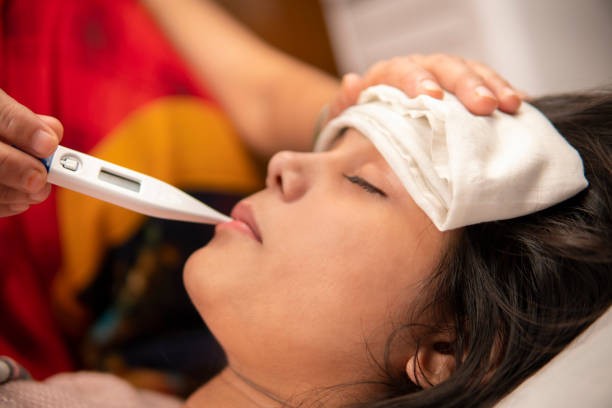
A pair of sharp scissors should be used to cut tape, gauze, or clothing off wounds. Tweezers are used to remove any debris like splinters or ticks. A digital thermometer enables you to keep track of body temperature in order to identify fevers. Non-latex gloves are disposable and they ensure that the caregiver and the injured individual are not infected during treatment.
Injuries such as sprains or bumps can be treated with cold packs to minimize swelling, bruising, and pain. Refrigeration-free instant cold packs are especially handy. Heat packs relieve muscle stiffness and aches through blood flow. The presence of the two enables flexible treatment based on the injury.
Simple drugs like acetaminophen (Tylenol) or ibuprofen (Advil) help with pain and fever. The presence of antihistamines will help to control allergic reactions and antacid tablets will facilitate digestive problems. These non-prescription drugs are significant in the short-term symptomatic relief at home.
An easy-to-read first aid guide provides a step-by-step procedure to handle typical injuries and emergencies. Always having a written list of emergency phone numbers of local emergency services, poison control, and close family contacts at hand will make them available when required.
During CPR or rescue breathing, a breathing barrier or CPR mask with a one-way valve is used to protect the rescuer from direct contact. This equipment can prove life-saving during extreme emergencies related to cardiac arrest or respiratory distress.
Depending on the needs of your household, such things as a blood pressure monitor, a glucose meter to monitor diabetic care, or a pulse oximeter to monitor oxygen levels could be essential. Such devices allow health monitoring and detecting medical conditions early.
Keep everything in a waterproof, portable kit or heavy-duty first aid kit so that it is readily available in case of emergency. Always ensure that you check the expiration dates and replenish used or outdated products to keep your kit effective.
The presence of these essential medical supplies can turn a big emergency into a manageable scenario. Effective preparation does not only mean quick and secure treatment of minor injuries but also preconditions proper reactions to more severe crises. Their customizable kits ensure that it is easy and convenient to put together or restock your first aid kit.
Comments (0)