Surgical Innovation for Complex Orthopedic Injuries
11 months ago 875

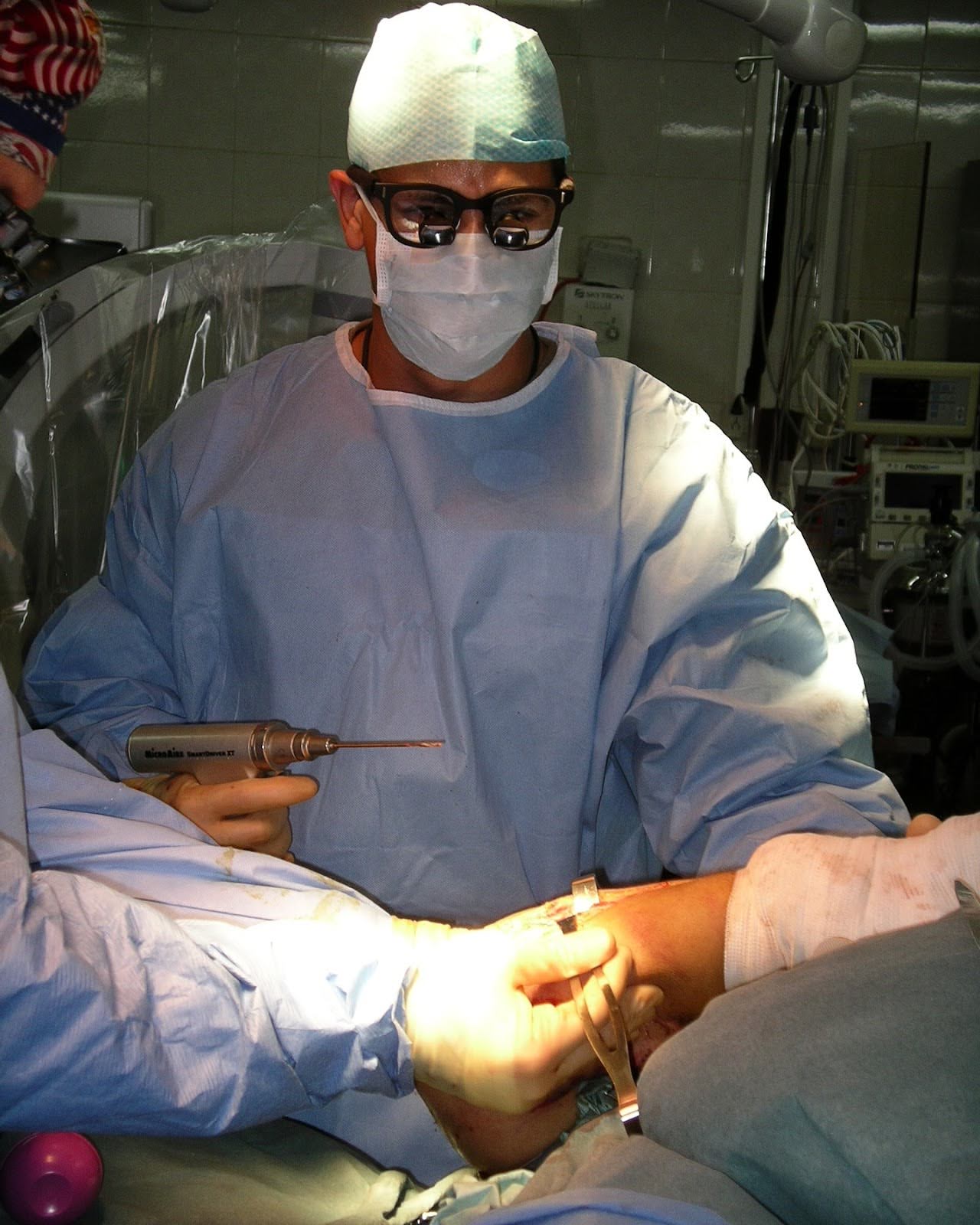
Orthopedic surgery is entering an exciting new era—one defined by unmatched precision, faster recovery times, and personalized solutions—thanks to rapid advancements in medical technology. Breakthroughs such as robotic-assisted systems, 3D printing, augmented reality, and advanced navigation tools are empowering surgeons to treat even the most complex injuries with an accuracy that was unimaginable a decade ago. These innovations not only enhance surgical outcomes but also significantly improve patient safety and quality of life after surgery.
For patients with severe joint damage, spinal disorders, or complex fractures, these technologies are making the difference between a prolonged, challenging recovery and a smoother, more predictable healing process. At IntegraMed Orthopedics, Spine & Wellness, we combine these state-of-the-art tools with our team’s extensive surgical expertise to deliver care that’s tailored to each patient’s unique anatomy and needs.
Robotic systems such as MAKO and ROSA have revolutionized procedures like joint replacements and spine surgeries. Using high-resolution preoperative scans, these systems create a highly accurate 3D virtual model of the patient’s anatomy. This allows surgeons to plan every step of the procedure in detail before making the first incision.
During the operation, the robotic system provides real-time guidance, ensuring that surgical instruments move with sub-millimeter precision. This level of accuracy reduces unnecessary tissue damage, improves implant positioning, and minimizes surgical variability.
Key patient benefits include:
In spine procedures, robotic assistance enables near-perfect placement of screws in vertebrae—something critical for stability and long-term spinal health. For example, in a patient with scoliosis or a complex spinal deformity, the robotic system can help navigate challenging anatomy with unparalleled accuracy, reducing the need for revision surgeries.
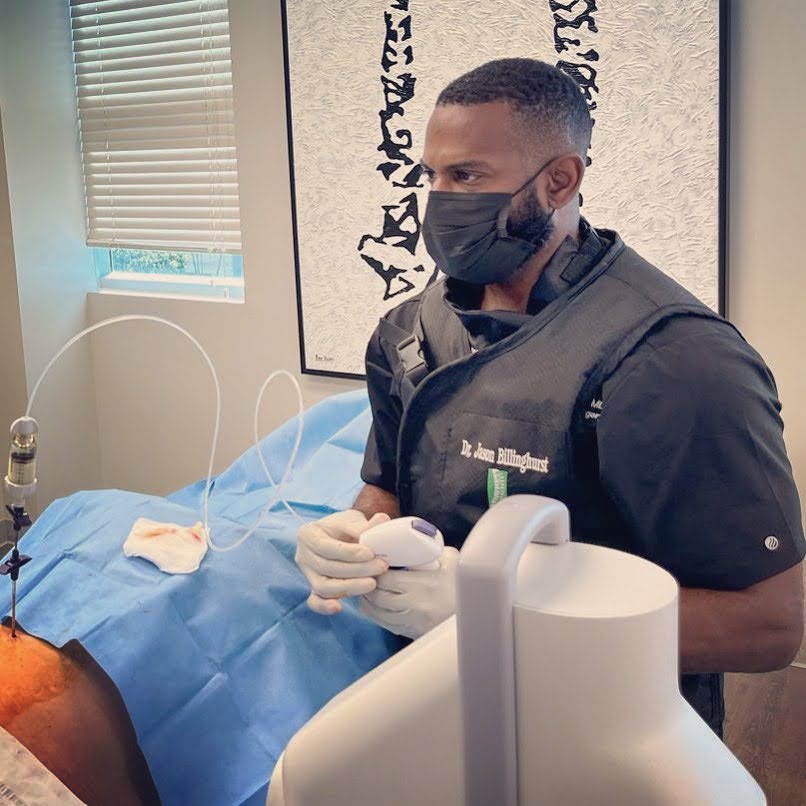
Beyond planning, 3D printing allows for the creation of custom implants that perfectly match a patient’s anatomy. This is especially valuable in cases of:
The result is greater implant stability, better joint function, and a reduced risk of implant-related complications. For example, in complex pelvic fracture repairs, a custom 3D-printed plate can conform exactly to the patient’s bone contours, providing superior fixation and support.
Augmented reality (AR) and advanced navigation systems are transforming how surgeons visualize and execute complex procedures. AR overlays digital imaging directly onto the surgical field, enabling the surgeon to see internal anatomy—bones, vessels, nerves—without making additional incisions. This “X-ray vision” approach reduces surgical trauma and helps maintain precision in areas with limited visibility.
Navigation systems work like GPS for surgery, continuously tracking the position of instruments and displaying them on a 3D anatomical model. This is invaluable in delicate procedures such as:
With these tools, surgeons can operate with greater confidence, knowing exactly where their instruments are at all times—reducing the risk of errors and improving surgical consistency.
While advanced surgical tools are impressive, the ultimate measure of their success lies in the patient’s recovery and long-term health. By minimizing surgical trauma, these innovations allow for:
For athletes, this can mean getting back to competition sooner. For older adults, it can mean maintaining independence and avoiding the complications that come with long recovery periods.
Dr. Gus J. Leotta III, a double board-certified orthopedic surgeon at IntegraMed Orthopedics, Spine & Wellness, shares his insight:
“Technology has given us the ability to perform surgeries with unprecedented accuracy. The combination of our surgical expertise and these advanced tools leads to safer procedures, faster recoveries, and better long-term outcomes for our patients.”
This philosophy underscores IntegraMed’s commitment to integrating innovation with compassionate, patient-centered care.
With locations in Miami, West Palm Beach, and Boynton Beach, IntegraMed Orthopedics, Spine & Wellness brings these advanced surgical techniques to South Florida patients. Whether it’s a robotic-assisted joint replacement, a 3D-printed custom implant, or a complex spinal reconstruction guided by augmented reality, patients no longer need to travel across the country to access world-class orthopedic care.
As technology continues to advance, orthopedic surgery will become even more personalized, precise, and minimally invasive. Future developments may include AI-powered surgical planning, regenerative tissue engineering for damaged joints, and even remote-assisted surgeries where experts from around the world can guide procedures in real time.
At IntegraMed, we believe that innovation is not just about adopting new tools—it’s about using them to improve lives. By combining state-of-the-art technology with surgical excellence, we ensure that even the most challenging orthopedic injuries are treated with the highest standard of care.
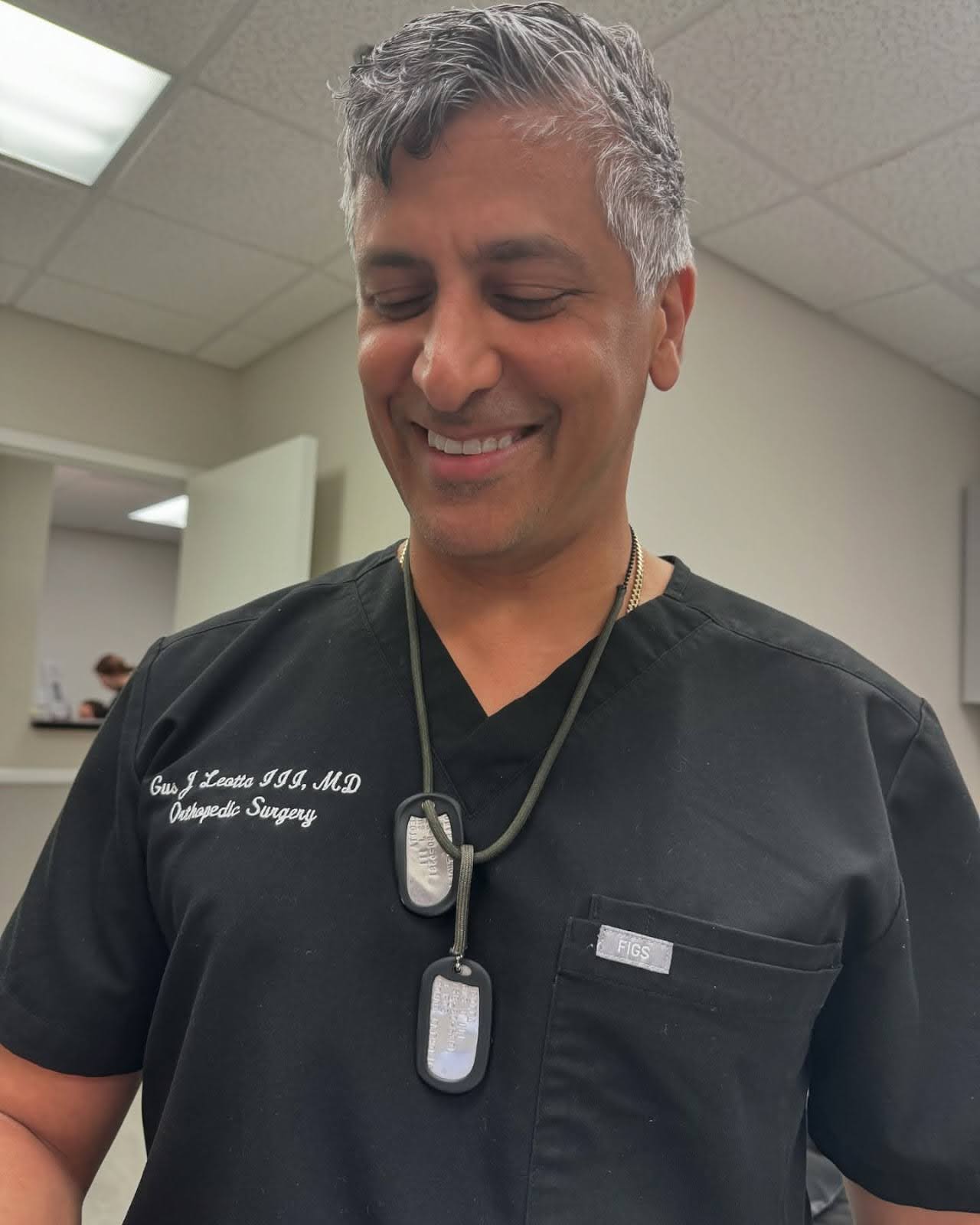
Dr. Gus J. Leotta III, double board-certified orthopedic surgeon at IntegraMed Orthopedics, Spine & Wellness, explains:
"Technology has given us the ability to perform surgeries with unprecedented accuracy. The combination of our surgical expertise and these advanced tools leads to safer procedures, faster recoveries, and better long-term outcomes for our patients."
Comments (0)