Seniors And Chronic Illness: What No One Tells You About the Daily Grind
11 months ago 635

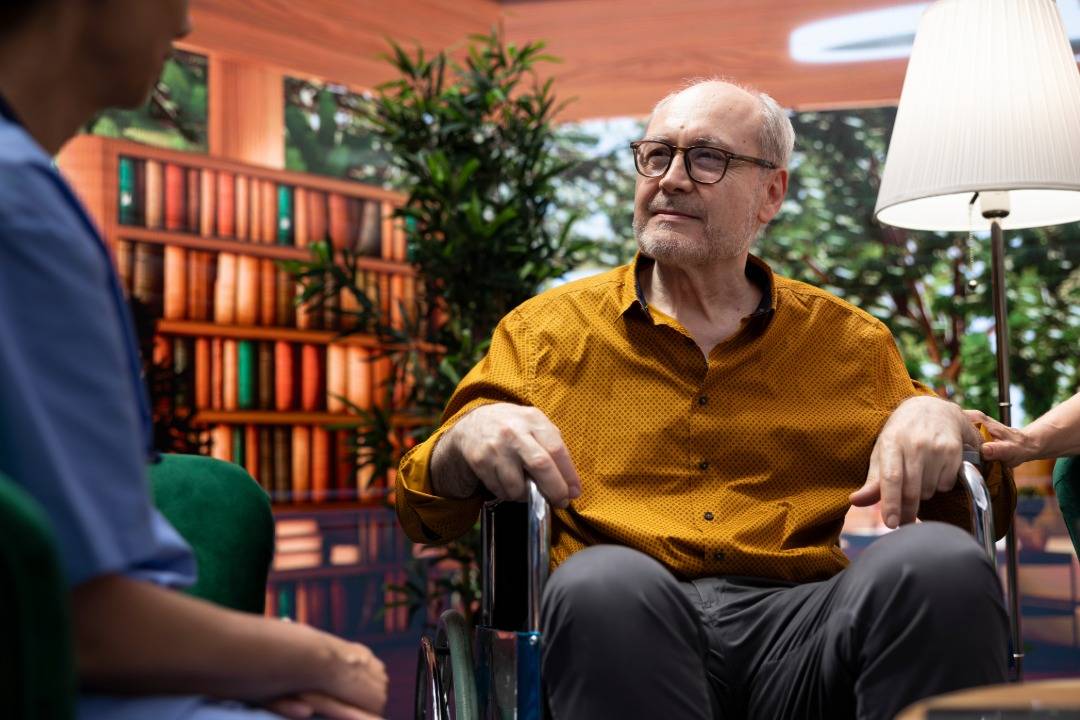
Living with chronic illness as an older adult isn’t just a line on a medical chart. It’s the slow accumulation of small adjustments that change the shape of your days—how you sleep, how you move, how you eat, how long it takes to button a shirt or open a jar. And unlike the image of a sudden diagnosis followed by a dramatic pivot, the reality is often quieter and more persistent. There’s pain, yes, but also paperwork. There’s fatigue, but also frustration. And layered under all of it is the awareness that time feels a little more precious than it used to.
Chronic illness doesn’t operate on a schedule. Arthritis doesn't wait for a convenient time to flare. Diabetes doesn't care that you have guests coming over. COPD doesn't politely step aside while you climb the stairs. These conditions are not just medically complex—they’re emotionally and logistically taxing in a way that can wear anyone down over time. And they’re not rare. Most people over 65 live with at least one chronic condition, and nearly half live with two or more. Understanding the daily realities can help families, providers, and seniors themselves make decisions that truly support long-term well-being.
It’s easy to talk about symptoms—pain, stiffness, fatigue, glucose levels. But what's often overlooked is the persistent, background emotional labor that comes with managing a chronic condition. There’s the fear of what the disease might look like in five years. The guilt of being a “burden” to family members. The pressure to stay upbeat for the sake of others. It can feel isolating, even in a crowded waiting room.
And the emotional toll doesn’t always announce itself clearly. Sometimes it’s hidden in missed appointments or short tempers. Sometimes it’s a refusal to take medications, not because someone forgot, but because they’re tired of the side effects—or just tired, period. Long-term illness requires long-term emotional endurance, and most people weren’t taught how to build that. It’s important to acknowledge that grief isn’t reserved for loss of life. It can also follow the loss of mobility, energy, appetite, or a sense of independence.
People often assume that managing a chronic illness means the same medications, meals, and appointments on repeat. The truth is, those “routines” are constantly shifting. Medications are adjusted, side effects change, new symptoms crop up, insurance plans shift coverage. What worked last year might stop working this year, and patients are often left trying to adapt in real time with limited guidance.
Keeping track of it all can be overwhelming, especially when the health system doesn’t exactly make it easy. Patients may be expected to juggle prescriptions from three specialists, each with their own portal, schedule, and billing system. Sometimes there are overlapping medications with contraindications that fall through the cracks unless someone catches them. This is where consistent preventative care becomes more than a buzzword—it’s the linchpin. Catching a medication interaction early, catching weight changes before they spiral into bigger complications, catching depression before it deepens—that’s the kind of attention chronic illness needs. And it’s the kind that often gets lost when care is siloed and rushed.
Food and rest are rarely treated as serious medical interventions, but for those managing long-term illness, they can make or break a week. Malnutrition among seniors with chronic illness is more common than people realize, often because appetite changes go unnoticed or unaddressed. Some medications dull the desire to eat; others interfere with digestion. Add in fatigue, dental issues, or difficulty cooking, and it’s easy to slip into a cycle of skipping meals or relying on processed foods that offer little real support.
Energy conservation also becomes its own form of strategy. A walk to the mailbox might use the same energy reserves as doing the laundry. Small errands can take planning, rest breaks, and backup plans if fatigue or pain kicks in unexpectedly. Living this way requires a kind of creative adaptability that most people don’t recognize until they’re in it. And when family members or caregivers push too hard in the name of motivation, it can backfire. There’s a difference between encouragement and pressure, especially when the person on the receiving end knows exactly what their body is and isn’t capable of that day.
Even when chronic illness doesn’t directly affect the brain, it can still wear down mental stamina. Think of how exhausting it is to manage your own calendar, medications, doctor’s notes, diet restrictions, and insurance calls every single day—now add pain or limited mobility to the mix. It’s not surprising that many older adults with chronic conditions feel mentally foggy or slow, not because they’re developing cognitive decline, but because they’re mentally maxed out.
That cognitive fatigue can show up as forgetfulness, impatience, or a reduced ability to make decisions. It’s not always easy to notice from the outside, especially when someone is trying to maintain appearances. But the effort it takes to advocate for yourself within the healthcare system while managing symptoms and side effects is staggering. Care teams should factor this in before labeling someone as “non-compliant” or assuming they’re just being difficult. Sometimes they’re just tired—deeply, legitimately tired—in ways no blood test can measure.
One of the most stressful parts of managing chronic illness isn’t even medical—it’s administrative. Navigating Medicare is notoriously complicated, especially for those managing multiple conditions that require consistent care. Between understanding what’s covered, what isn’t, what falls under Part B vs. D, and how supplemental insurance fits into the equation, the whole system can feel like it was designed to confuse.
That’s where experienced professionals come in. Finding the right support—like the Scottsdale Medicare advisors with Senior Advisors who have a proven track record of helping seniors navigate the Medicare maze—can make a massive difference. It’s not just about signing up for a plan. It’s about understanding which coverage actually works best for your current and projected needs, how to avoid surprise bills, and how to access all the benefits you’re entitled to. Too many people settle for the default plan or avoid switching because the process feels too intimidating. But the right help doesn’t just simplify paperwork—it protects health outcomes by making sure care remains uninterrupted and affordable.
Chronic illness in older adults isn’t about a single diagnosis—it’s about managing a whole web of changes, adaptations, and unknowns that unfold over time. The goal isn’t perfection. It’s sustainability. It’s finding systems and supports that work even when you don’t feel your best. It’s letting go of the myth that you’re supposed to do it all yourself, or that needing help means you’re failing.
The real work of managing long-term illness isn’t flashy. It’s ordinary and often invisible to those on the outside. But it’s still work—and it deserves real recognition, real support, and real options that meet people where they are.
Comments (0)