What Is Practical Nursing and Why Is It Vital for Modern Healthcare
11 months ago 757

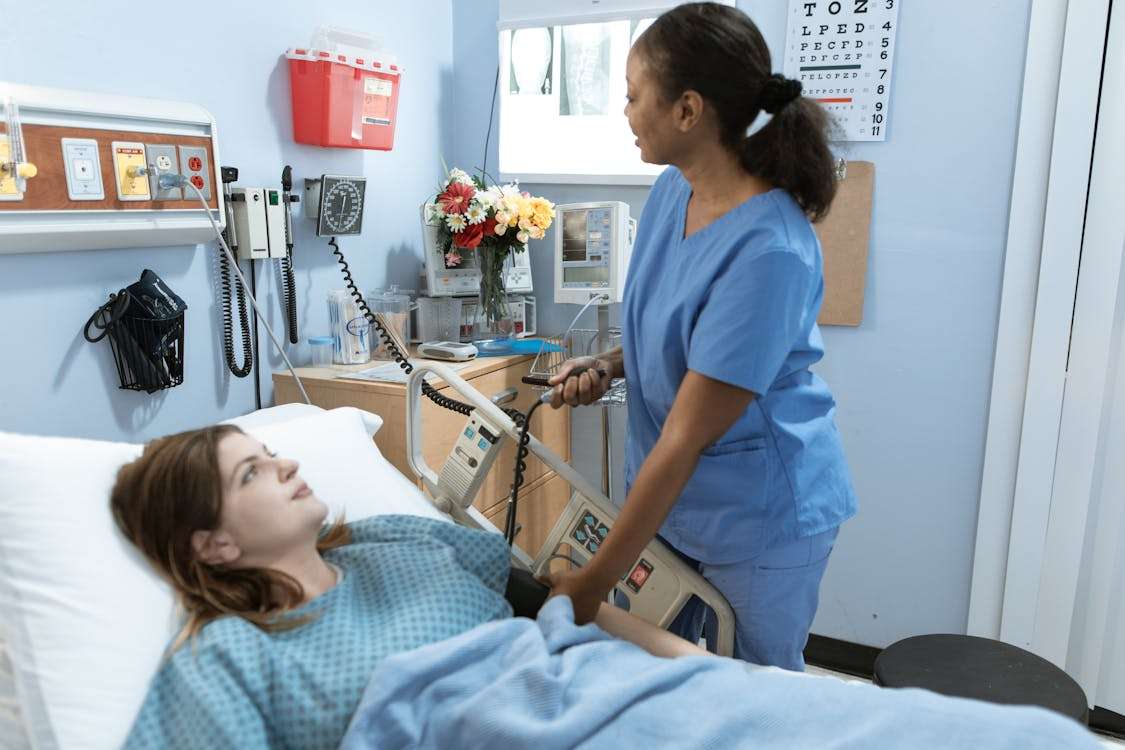
In today’s fast-paced and often overburdened healthcare system, practical nurses play a crucial and often underappreciated role. These frontline professionals provide hands-on care, build strong patient relationships, and keep medical teams running smoothly. While they may not always receive the spotlight, practical nurses are an essential part of delivering quality, accessible care, especially in hospitals, long-term care facilities, and outpatient clinics.
As demand for skilled healthcare workers rises, understanding what practical nursing entails and why it matters more than ever is key for anyone considering a career in healthcare or seeking ways to strengthen the medical workforce.
Practical nursing, sometimes referred to as licensed practical nursing (LPN), is a healthcare profession focused on providing direct patient care under the supervision of registered nurses (RNs) and physicians. Practical nurses perform a wide range of tasks, including:
These responsibilities require strong technical skills, empathy, attention to detail, and the ability to think critically under pressure.
For individuals interested in joining the healthcare field quickly and making an immediate impact, Prism's Practical Nursing program offers a focused and supportive route. Diploma programs like this provide the foundational knowledge and clinical experience needed to enter the workforce in as little as 15 months, preparing graduates for licensure and long-term success.
The role of practical nurses has become increasingly important due to multiple shifts in the healthcare industry: an aging population, ongoing staff shortages, and growing demand for accessible care. Practical nurses help fill these gaps in vital ways:
While the scope of practice for practical nurses varies by state, core competencies remain consistent across most healthcare settings:
These competencies are cultivated through both classroom instruction and hands-on clinical training, making formal education an essential step toward readiness.
Practical nursing offers a fulfilling career for those drawn to healthcare and patient service. With strong job growth projected for the coming decade, it’s also a smart choice for long-term stability and advancement.
Graduates may go on to specialize in areas like geriatrics, pediatrics, or home health, or use the role as a stepping stone toward becoming a registered nurse. Regardless of the path, practical nurses are indispensable contributors to patient wellbeing and system efficiency.
Comments (0)