How to Identify Top Dental Air Compressor Suppliers?
11 months ago 634

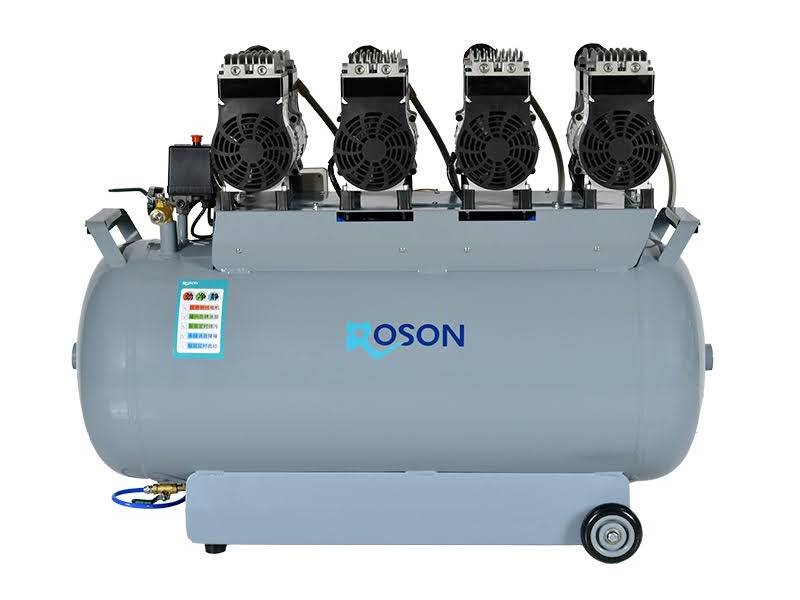
In modern dental practices, the reliability of compressed air systems forms the backbone of daily operations. From powering essential tools to ensuring sterile conditions, these systems directly impact patient care quality and safety. However, selecting the wrong equipment supplier can lead to costly downtime, compromised patient safety, and regulatory compliance issues. For dental equipment suppliers and practitioners alike, finding trustworthy dental air compressor suppliers has become increasingly challenging in a market flooded with options. This guide explores the critical factors in identifying top-tier dental air compressor suppliers, focusing on essential certifications, component quality, and integrated sourcing solutions. By understanding these key evaluation criteria, you'll be better equipped to make informed decisions that protect your investment and ensure optimal practice performance.
The choice of dental air compressor suppliers directly influences patient safety, practice efficiency, and financial stability. Poor air quality from substandard equipment can introduce contaminants into dental procedures, potentially leading to infections and compromised treatment outcomes. When compressed air systems fail due to inferior components, practices face immediate disruption of services, resulting in canceled appointments and lost revenue - often costing thousands of dollars per day in larger clinics. While budget-friendly options may seem attractive initially, they frequently lead to escalating maintenance costs, shorter equipment lifespan, and higher energy consumption. Quality suppliers provide systems with superior filtration, reliable moisture separation, and efficient operation that maintain consistent air purity levels. Their equipment typically delivers 15-20% lower lifetime operational costs through reduced energy consumption, minimal maintenance requirements, and longer service intervals. By prioritizing reputable suppliers with proven track records, dental practices protect both their patients' wellbeing and their long-term financial interests.
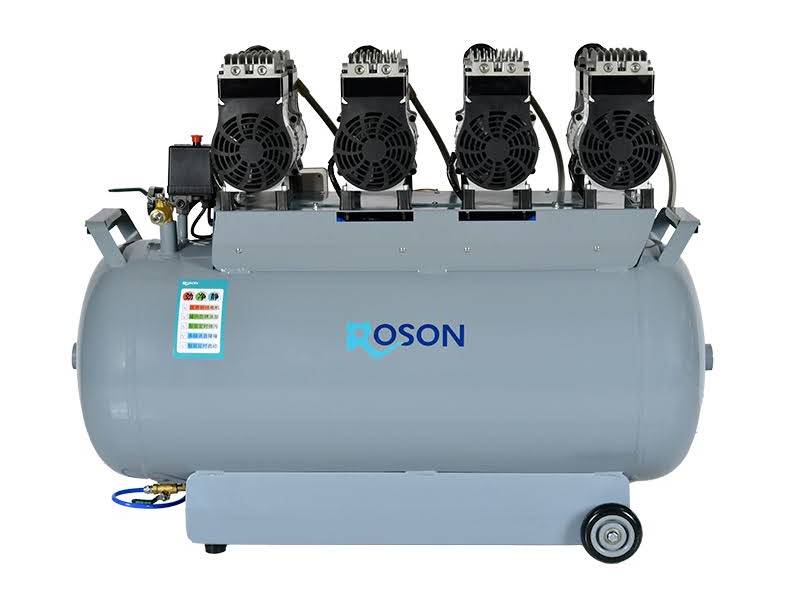
High-grade copper wire motors represent a fundamental benchmark in dental air compressor quality. These motors deliver superior conductivity and heat dissipation compared to aluminum alternatives, extending operational lifespan by up to 40%. Advanced moisture resistance engineering, including specialized coating technologies and sealed bearings, prevents premature component deterioration in humid dental environments. Leading manufacturers like fsroson have demonstrated that vibration reduction features, such as multi-point mounting systems and precision-balanced rotors, maintain operational stability below 65 decibels - essential for patient comfort and equipment longevity.
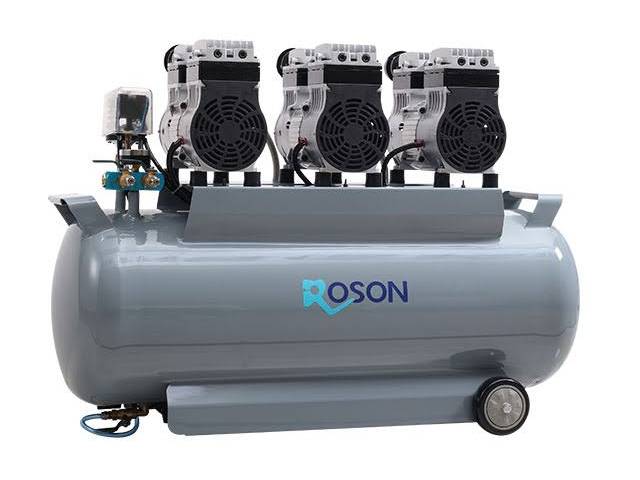
ISO 13485 certification serves as the cornerstone of medical device manufacturing quality assurance. When evaluating suppliers, request detailed certification documentation, including scope statements and recent audit reports. Verify certifications through independent registrars and cross-reference with regional regulatory databases. Beyond ISO standards, suppliers should demonstrate compliance with local medical device regulations, including FDA Class II requirements in the US and MDR compliance in European markets. Regular facility audits and documented quality management systems provide additional verification of sustained manufacturing excellence.
Partnering with comprehensive dental equipment suppliers who offer complete compressed air solutions delivers significant operational benefits. By consolidating sourcing through a single manufacturer, practices eliminate compatibility issues between air compressors, filters, and distribution systems. This integration ensures optimal performance across the entire compressed air ecosystem while reducing maintenance complexity. One-stop suppliers typically maintain dedicated technical support teams familiar with their complete product range, enabling faster problem resolution and minimizing diagnostic delays. These suppliers can also provide customized solutions that perfectly match practice requirements, from specialized filtration systems to specific pressure control configurations. The streamlined warranty process through a single point of contact further simplifies equipment management, while bulk purchasing opportunities often lead to cost savings. Most importantly, unified sourcing ensures consistent quality standards across all compressed air components, reducing the risk of system failures due to mismatched equipment specifications.
Begin by establishing minimum performance thresholds for noise levels, targeting systems operating below 65 decibels during peak load. Calculate precise CFM requirements based on your practice's simultaneous tool usage, including handpieces, air syringes, and CAD/CAM units. Document pressure stability requirements, typically 80-120 PSI for dental applications.
Request and verify third-party audit reports from the past 24 months, focusing on ISO 13485 compliance records. Examine material traceability systems to ensure components meet medical-grade standards, particularly for air-contact surfaces. Review the supplier's corrective action documentation from previous audits to assess continuous improvement practices.
Implement a structured 30-day stress testing program under simulated dental practice conditions. Monitor oil-free performance benchmarks, including air purity levels and moisture content. Record recovery times between duty cycles and verify consistent pressure maintenance during peak usage periods.
Evaluate supplier inventory turnover rates through historical delivery records and stock management practices. Assess customization capabilities for specialized dental applications, including modified pressure settings and filtration requirements. Review the supplier's component sourcing network and redundancy plans to ensure consistent availability of critical parts.
Selecting top-tier dental air compressor suppliers requires a comprehensive evaluation approach focused on three critical pillars: certification validation, component quality assessment, and integrated sourcing capabilities. Equipment suppliers should prioritize manufacturers who maintain current ISO 13485 certification, demonstrate material traceability, and offer documented quality management systems. When vetting potential partners, verify copper wire motor specifications, moisture resistance features, and vibration control technologies. Consider suppliers offering complete compressed air solutions to maximize system compatibility and streamline maintenance processes. As the dental industry continues to evolve, emerging trends point toward increased automation in quality control, enhanced remote monitoring capabilities, and stricter environmental sustainability requirements. Before finalizing supplier partnerships, conduct thorough technical audits, verify regulatory compliance documentation, and implement structured testing protocols. By following these guidelines, equipment suppliers can build reliable partnerships that ensure consistent quality, minimize operational disruptions, and support long-term practice success.
Comments (0)