AI Medical Assistants: Revolutionising the Role of Clinicians and Students
1 year ago 651

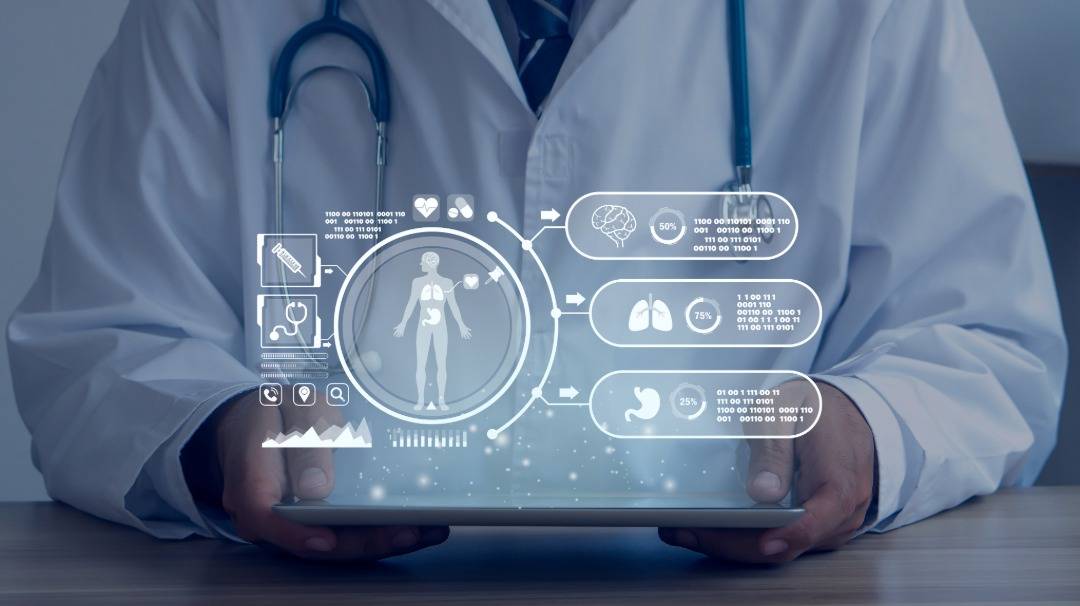
The healthcare landscape is undergoing a profound transformation with the integration of Artificial Intelligence (AI). From streamlining diagnostics to enhancing administrative workflows, AI is quickly becoming a cornerstone in modern medicine. One of the most impactful developments in this space is the emergence of AI medical assistants—intelligent systems designed to support clinicians, improve patient engagement, and help medical students adapt to real-world healthcare environments.
In this article, we explore how AI medical assistants are reshaping clinical roles, improving healthcare delivery, and preparing the next generation of healthcare professionals.
An AI medical assistant is a digital solution powered by artificial intelligence algorithms and natural language processing (NLP). These systems assist with a wide range of tasks such as:
Unlike traditional software, AI medical assistants can learn and adapt, allowing them to provide more accurate and personalised support over time.
One of the most significant challenges for clinicians today is administrative overload. Between documentation, appointment scheduling, and patient follow-ups, valuable time is taken away from direct patient care. AI medical assistants automate these tasks, allowing clinicians to focus on what truly matters—treating patients.
AI systems can:
This automation contributes directly to improved productivity and less burnout among healthcare providers.
AI tools are capable of analysing large sets of patient data—lab results, imaging, historical records, and more—to support clinical decision-making. AI medical assistants can suggest possible diagnoses, highlight red flags, and recommend further investigations, helping reduce errors and omissions.
Clinicians, especially those in busy practices, benefit from an AI-powered safety net that increases confidence and accuracy in patient care.
AI medical assistants improve how clinics interact with patients by offering timely communication, appointment reminders, medication follow-ups, and personalised health tips. By integrating with communication platforms, these assistants maintain ongoing engagement and ensure patients stay on track with their treatment plans.
This form of healthcare workflow automation improves patient satisfaction and reduces no-show rates.
Medical students can use AI-powered systems to simulate real clinical interactions, diagnoses, and treatment plans. These virtual experiences mirror real-life patient encounters, providing invaluable hands-on learning without the risks associated with real patients.
Such tools enhance critical thinking, communication, and diagnostic skills.
AI assistants can offer instant feedback on clinical decision-making and patient communication skills. Whether it's identifying missed steps in a diagnosis or suggesting improvements in bedside manner, AI provides structured feedback that accelerates learning.
With data-driven insights, students can track their progress and focus on areas that need improvement.
The practical uses of AI medical assistants extend across a variety of healthcare settings:
In all of these settings, AI streamlines operations, reduces costs, and improves the patient journey from entry to follow-up.
While the benefits are clear, it's also essential to address the challenges surrounding the adoption of AI medical assistants:
Protecting patient data is paramount. Any AI solution used in healthcare must comply with HIPAA and other local data protection laws. Providers must ensure robust encryption, access control, and transparency in data use.
AI is not a replacement for healthcare professionals but a tool to support them. Final clinical decisions should always be made by trained personnel, with AI serving as an intelligent assistant.
Clinicians and students need to be trained in how to use AI tools effectively. Moreover, these systems must integrate seamlessly with existing EHRs and platforms to avoid disruption.
The future of AI medical assistants looks promising:
As AI becomes more sophisticated, it will continue to revolutionise how care is delivered.
AI medical assistants are redefining how clinicians deliver care and how medical students prepare for their future roles. From streamlining communication to supporting complex diagnoses and enhancing educational tools, these intelligent systems are revolutionising modern healthcare.
As adoption grows, we can expect AI medical assistants to become an essential component of every clinic's digital strategy, enabling smarter, faster, and more patient-centric care.
Comments (0)