The Importance of Emergency Medical Evaluation After Road Accidents
1 year ago 872

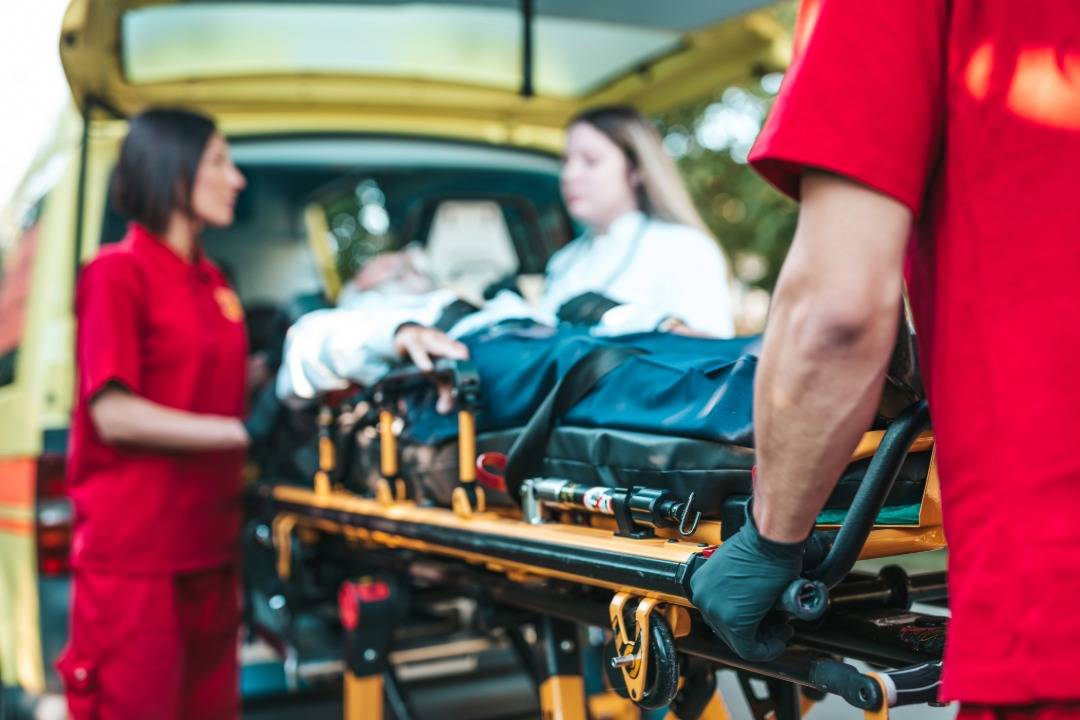
When someone is involved in a road accident, adrenaline and shock often mask the true extent of physical injuries. In such cases, the question arises: Should you go to the hospital after a car accident? The answer, in most situations, is yes. Immediate medical evaluation is not only essential for diagnosing hidden injuries but also plays a vital role in legal documentation, insurance claims, and long-term recovery.
Car accidents may leave visible signs like bruises or cuts, but more concerning are internal injuries that don’t appear right away. Getting a professional medical assessment ensures that no underlying condition is left untreated. It also creates an official record of injuries that may be important for any legal or insurance-related proceedings. Ignoring this step can result in long-term health consequences and complicated legal battles.
In this article, we’ll break down why emergency medical evaluation after a road accident is crucial, even if you feel “fine” at the moment.
One of the most common misconceptions is that if you can walk away from an accident, you must be okay. However, the human body responds to trauma by releasing hormones like adrenaline and cortisol, which can suppress pain temporarily. This leads people to underestimate their condition.
Common injuries with delayed symptoms include:
A timely medical evaluation helps catch these injuries early and prevent them from worsening.
When you visit the hospital after an accident, the medical team follows a structured approach:
Even if you feel alright, a doctor might detect early warning signs that could save your life. This is one of the strongest reasons why answering the question "Should you go to the hospital after a car accident?" with a "yes" is often the safest route.
Beyond health, there are also legal and financial implications tied to seeking medical care after an accident. If you choose not to visit a hospital and later develop symptoms, insurance companies may argue that the injuries weren’t caused by the accident—or that they were minor.
A medical evaluation:
Whether you're filing an insurance claim or seeking legal action, documentation from a certified medical provider plays a critical role. Legal experts, including those at RP Legal Group, emphasize how timely medical attention can shape the outcome of your case.
Even without visible injuries, you should still consider visiting a hospital or urgent care facility. Here’s why:
Medical professionals are trained to spot things you may not even know to look for. Waiting too long can lead to complications, some of which may require long-term care or rehabilitation.
Depending on the severity of the accident and your symptoms, you might wonder whether to head to the ER or your general physician.
Go to the Emergency Room if:
Visit a primary care doctor or urgent care if:
In any case, don’t skip professional evaluation altogether. Prompt care gives you peace of mind and ensures any potential issues are addressed early.
Physical injuries aren’t the only concern. Many people experience emotional and psychological effects after a crash—especially if it was severe or traumatic.
Common mental health symptoms post-accident:
Hospitals and trauma centers often have mental health professionals on call, and early intervention can reduce the likelihood of long-term psychological issues.
Every accident, no matter how minor it seems, deserves attention. Medical evaluations not only help prevent long-term complications but also give you legal protection and documentation if needed.
To revisit the key question—Should you go to the hospital after a car accident? The safest answer is yes. Immediate evaluation could mean the difference between a full recovery and chronic health problems.
Car accidents can be frightening, disorienting, and emotionally taxing. But your response in the minutes and hours following the incident matters. Seeking medical help promptly ensures your health is protected and your rights are preserved. Even if you’re unsure, it’s better to be cautious.
Comments (0)