Clinical Data Solutions: Transforming Healthcare Through Intelligent Insights
12 months ago 481

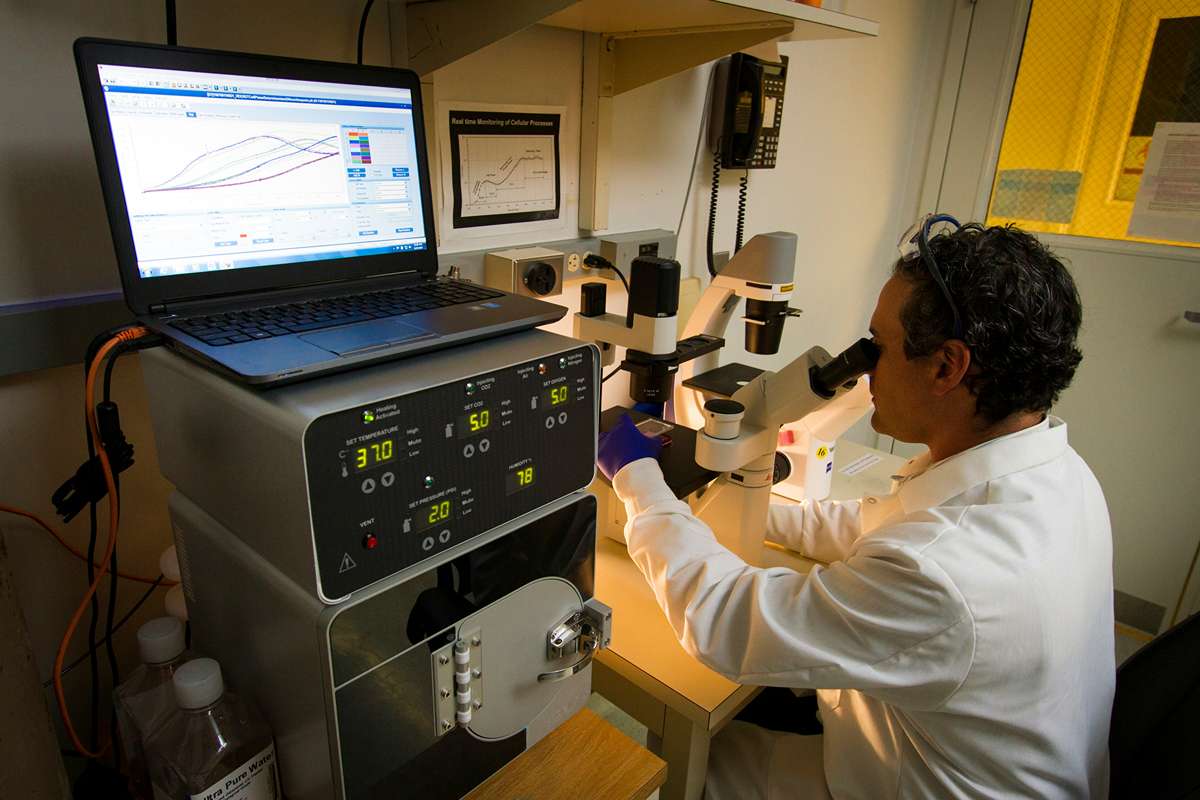
In today’s dynamic healthcare environment, data is not just a byproduct of care—it’s a powerful asset. From diagnosis and treatment to research and innovation, clinical data has become central to every aspect of modern medicine. As healthcare providers and life science organizations grapple with growing volumes of patient information, clinical data solutions are emerging as essential tools for transforming raw data into actionable insights.
Clinical data solutions refer to the technologies, platforms, and services that collect, manage, analyze, and visualize patient-related information from multiple sources. These solutions integrate data from electronic health records (EHRs), lab systems, imaging platforms, clinical trials, and wearable devices to create a comprehensive and accurate view of patient health. The goal is to use this wealth of information to improve patient care, streamline workflows, support medical research, and enable evidence-based decision-making.
At the center of this transformation are companies and institutions leveraging cutting-edge technologies to make complex data more usable. One standout example is NashBio, a data innovation company affiliated with Vanderbilt University Medical Center. NashBio provides access to one of the world’s largest repositories of de-identified, longitudinal patient data through its BioVU® platform. What makes NashBio unique is its ability to combine clinical data with genomic information, offering an unmatched resource for precision medicine, drug development, and population health research. Their self-service platform, TOTUM, allows researchers to explore multi-modal data including lab results, genetic sequencing, imaging, and clinical histories—making it easier and faster to define cohorts and extract meaningful insights.
Organizations like NashBio are addressing one of the biggest challenges in clinical research: the lack of representative and scalable real-world data. By ensuring diverse patient populations and robust longitudinal data, NashBio empowers life science companies to identify new drug targets, test hypotheses, and validate findings with greater accuracy. The impact is profound—accelerating the pace of drug discovery while making treatments more inclusive and personalized.
Beyond research, clinical data solutions are playing a crucial role in improving healthcare delivery. Hospitals and clinics use these systems to enhance operational efficiency, reduce medical errors, and improve patient outcomes. For example, predictive analytics tools can identify patients at risk of readmission, allowing care teams to intervene early. Machine learning algorithms, trained on large datasets, can suggest optimal treatment pathways or detect subtle patterns in medical images that may elude the human eye.
One of the most promising applications of clinical data is in the realm of real-world evidence (RWE). Traditional clinical trials are limited by cost, scale, and participant diversity. In contrast, RWE leverages data collected during routine care to evaluate the safety, efficacy, and cost-effectiveness of treatments in broader populations. This approach not only enhances clinical understanding but also supports regulatory decisions and health policy development. The FDA and other regulatory agencies have already begun integrating RWE into their frameworks for drug approvals and post-market surveillance.
In the pharmaceutical sector, clinical data solutions are also helping companies design smarter, more efficient clinical trials. By using retrospective data to simulate control groups or identify ideal participants, trial timelines can be shortened and costs significantly reduced. Furthermore, as the industry shifts toward personalized medicine, access to high-quality, real-time data becomes essential for developing targeted therapies and companion diagnostics.
Despite the enormous potential, there are challenges to overcome. Interoperability remains a major barrier, as data is often stored in disparate formats across multiple systems. Privacy and security are also critical concerns. Clinical data contains sensitive personal health information, and organizations must comply with stringent regulations like HIPAA in the U.S. and GDPR in Europe to protect patient confidentiality. There is also the need for standardized data models and terminologies to ensure that insights derived from one system can be reliably interpreted across others.
Another pressing issue is data bias. If datasets are not representative of the wider population, predictive models and treatment recommendations may be skewed—leading to unequal outcomes across different demographic groups. This is where organizations like NashBio are setting an example, by ensuring that diversity and equity are prioritized in data collection and access strategies.
Looking ahead, the future of clinical data solutions is bright and full of opportunity. Advancements in cloud computing, artificial intelligence, blockchain, and natural language processing are poised to revolutionize the way we store, process, and use clinical information. Initiatives promoting open data exchange, such as the use of FHIR (Fast Healthcare Interoperability Resources) standards, are also gaining traction, making it easier to share data securely across systems and institutions.
Moreover, patient engagement is likely to play a larger role in the data landscape. As individuals become more empowered through health apps, digital records, and wearable technology, they will contribute actively to the data ecosystem—sharing insights not only with their healthcare providers but also with researchers and developers creating next-generation treatments.
In conclusion, clinical data solutions are not just a technological upgrade—they are a paradigm shift in how we understand, deliver, and advance healthcare. By harnessing the full potential of clinical and genomic data, organizations like NashBio are redefining what’s possible in medicine. From accelerating research to personalizing care, the intelligent use of data is paving the way toward a more efficient, inclusive, and patient-centered healthcare future.
Comments (0)