Is Your Pool Pump Costing Too Much? Repair Solutions
1 year ago 1134


Did you know that pool pumps can add up to $800 to your annual energy bills? For many homeowners, this hidden cost drain goes unnoticed until the monthly statements arrive. Beyond the financial impact, inefficient pool pumps contribute significantly to residential carbon emissions, using more electricity than many household appliances combined. The problem often stems from malfunctioning equipment, outdated systems, or improper maintenance - but there's hope. Whether your pump is showing signs of wear or you're simply looking to reduce operating costs, practical solutions exist. From simple DIY repairs to strategic upgrades, this guide will walk you through proven methods to slash your pool pump expenses while maintaining crystal-clear water. By implementing these solutions, you can achieve significant savings while contributing to environmental sustainability. Let's explore how to transform your pool pump from an energy glutton into an efficient, cost-effective system.
A typical pool pump consumes between 3,000 to 5,000 kilowatt-hours annually, making it one of the largest energy users in your home - often exceeding the combined consumption of your refrigerator, dishwasher, and washing machine. This massive energy draw translates to significant environmental impact, with a single inefficient pump potentially contributing up to 2.5 tons of CO2 emissions yearly. The financial burden extends beyond direct electricity costs, as inefficient pumps strain electrical systems, leading to accelerated wear and increased maintenance needs. When properly maintained and repaired, an efficient pump can reduce energy consumption by up to 70%, saving thousands in operating costs over its lifetime. Understanding this connection between maintenance and sustainability is crucial - every repair that optimizes pump performance directly reduces your carbon footprint. For environmentally conscious homeowners, addressing pump efficiency isn't just about cost savings; it's about responsible resource management and minimizing environmental impact. Modern repair solutions focus on optimizing performance while considering long-term sustainability, making it possible to maintain pristine pool conditions without compromising environmental values.
Identifying pool pump issues early can prevent costly repairs and excessive energy consumption. Listen for unusual sounds like grinding, squealing, or humming, which often indicate bearing failure or impeller problems. Check for water leaks around the pump housing and pipe connections - even small drips can signal seal deterioration or pressure issues. Monitor water flow through return jets; weak flow suggests clogged baskets, impeller damage, or suction problems. Pay attention to your pump's pressure gauge readings - normal pressure typically ranges between 10-25 PSI, with variations indicating potential blockages or system inefficiencies. For digital systems, watch for error codes or irregular cycling patterns on your timer display. Air bubbles in the return line or pump basket point to suction-side leaks that reduce efficiency. The pump's motor housing should remain cool to touch during operation; excessive heat indicates overwork or internal problems. Regular pressure testing using a pool pressure gauge can reveal developing issues before they become critical. For permanently installed pools, establish baseline readings when the system is working optimally to make future diagnostic comparisons easier and more accurate.
Before beginning any control panel work, ensure power is completely disconnected at the circuit breaker. Start by inspecting the panel for visible damage, corrosion, or burnt components. Test voltage across terminals using a multimeter set to AC voltage - readings should match your power supply specifications. Examine wire connections for looseness or oxidation, tightening terminals as needed. If the display shows error codes, document them and reference your manual's diagnostic guide. For common issues, try a soft reset by disconnecting power for 30 seconds, then reconnecting. When replacing components, photograph original wire positions and use identical replacement parts.
Configure your pump's RPM settings based on specific pool tasks: use 2400-2800 RPM for cleaning cycles, 1400-1800 RPM for filtration, and 1000-1200 RPM for circulation. Program higher speeds during peak debris periods and lower speeds overnight. Calculate optimal run times by dividing your pool volume by flow rate, typically aiming for one full turnover daily. Adjust settings seasonally - reduce runtime by 25% during winter months while maintaining adequate circulation.
To resolve timer issues, first clear all existing programs using the master reset function. Re-enter current time and date, ensuring AM/PM settings are correct. Program new schedules starting with essential filtration periods. For mechanical timers, clean contact points and adjust trippers to proper positions. If timer remains unresponsive, bypass temporarily using manual mode while maintaining recommended daily run times. Consider upgrading to smart controllers for enhanced reliability and remote management capability.
Variable-speed pool pumps represent a significant advancement in pool technology, offering up to 90% energy savings compared to single-speed models. These sophisticated systems automatically adjust their RPM based on your pool's specific needs, operating at lower speeds for routine filtration and ramping up only when necessary for cleaning cycles. Modern Energy Star certified pumps, like those from iGarden, feature integrated smart controls that optimize performance through weather monitoring and usage pattern analysis. The initial investment, while higher than traditional pumps, typically pays for itself within two years through reduced energy consumption. For a standard 20,000-gallon pool, upgrading to a variable-speed pump can reduce annual operating costs from $800 to under $200. Smart integration capabilities allow these pumps to communicate with home automation systems, enabling remote monitoring and adjustment through mobile apps. When evaluating upgrades, consider models with built-in diagnostic systems that predict maintenance needs and prevent costly breakdowns. The latest pumps also offer features like automatic priming, freeze protection, and advanced filtration algorithms that maintain water quality while minimizing energy use. For permanently installed pools, selecting a pump with expandable automation options ensures compatibility with future smart home technologies while maximizing current efficiency benefits.
Making the decision between repairing or replacing your pool pump requires careful evaluation of multiple factors. For pumps under five years old, swimming pool pump repairs typically offer the most cost-effective solution when addressing isolated issues like timer failures or minor motor problems. However, once a pump reaches 7-10 years of service, efficiency drops significantly - often consuming 30% more energy than newer models even after repairs. Consider replacement when repair costs exceed 50% of a new pump's price or when dealing with multiple component failures. Signs that favor replacement include consistent motor overheating, frequent circuit breaker trips, and repair intervals shorter than six months. Calculate your pump's efficiency ratio by dividing daily operational costs by pool volume - readings above $0.75 per 10,000 gallons indicate replacement may be more economical. Modern variable-speed replacements offer substantial benefits through reduced energy consumption and advanced features like smart controls and automated diagnostics. When upgrading, factor in long-term savings potential - energy-efficient models can reduce operational costs by up to 80% while significantly lowering your carbon footprint. For permanently installed pools, choosing a replacement that integrates with existing automation systems ensures maximum value and convenience.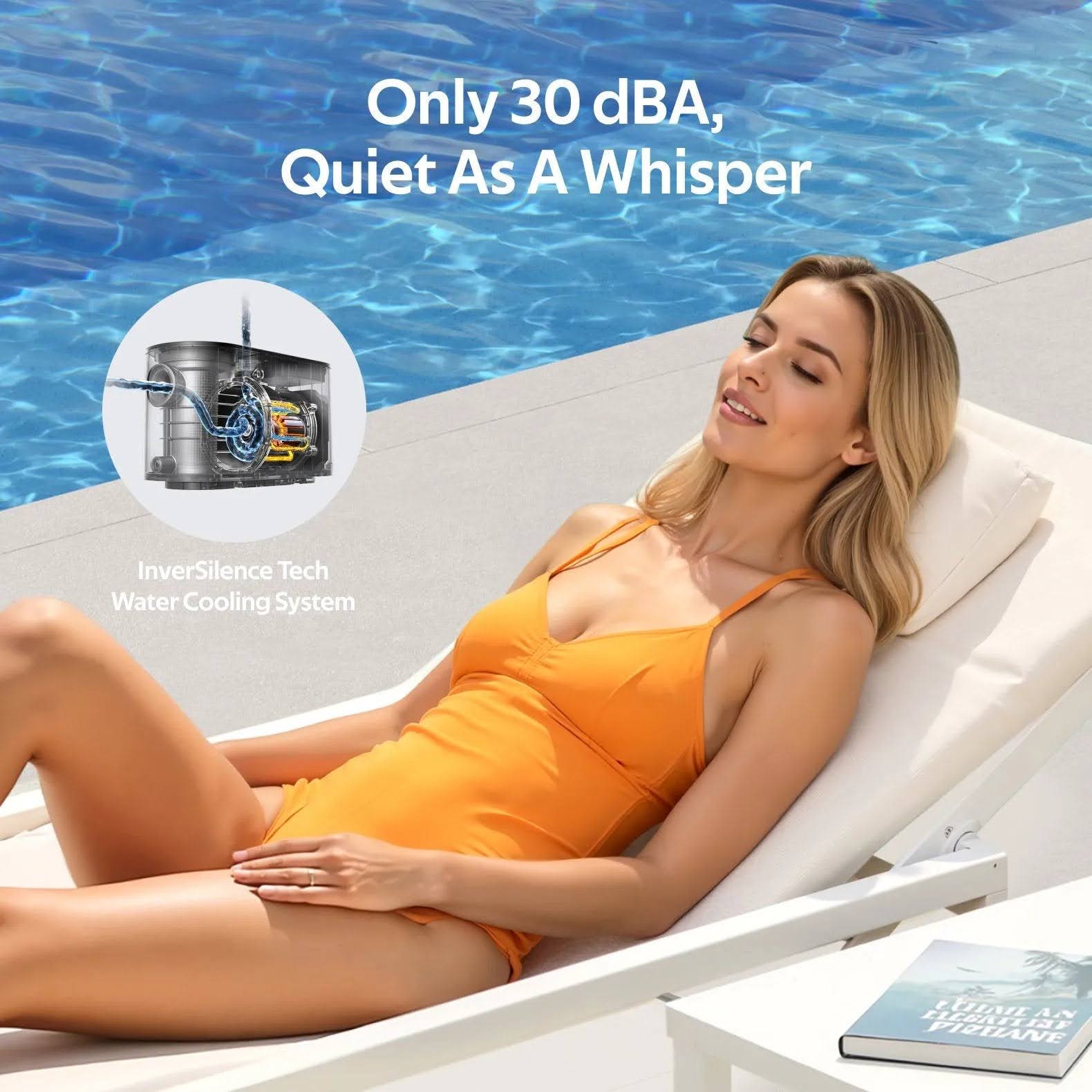
Maintaining optimal pool pump efficiency requires a structured approach throughout the year. Begin monthly inspections by checking pump basket and skimmer for debris accumulation, cleaning thoroughly to prevent flow restrictions. Test water pressure readings against your baseline, investigating variations exceeding 3 PSI. Examine pump seals and gaskets for signs of wear, replacing as needed to prevent energy-wasting leaks. During seasonal transitions, calibrate timer settings to match changing filtration needs - reducing runtime in cooler months while maintaining adequate circulation. Clean or replace pressure gauges annually to ensure accurate readings. For control panel maintenance, verify all electrical connections are tight and corrosion-free quarterly, testing emergency shutoff functions and ground fault protection. Before winter, drain pump housing completely in freeze-prone areas, insulate exposed pipes, and verify freeze protection settings on smart systems. Monitor energy consumption through monthly utility bill analysis or smart meter tracking, documenting patterns to identify efficiency decline. Regular vibration checks during operation can reveal developing bearing issues before they impact performance. This proactive maintenance approach not only extends equipment life but ensures consistent energy-efficient operation year-round.
Taking control of your pool pump's efficiency doesn't have to be overwhelming. Through proper diagnosis and targeted repairs, you can significantly reduce both energy costs and environmental impact. Whether it's troubleshooting your control panel, optimizing speed settings, or fixing timer issues, these solutions provide immediate benefits. For those considering long-term improvements, upgrading to an energy-efficient variable-speed pump offers substantial savings while reducing your carbon footprint. Remember that regular maintenance is key - following a structured inspection schedule prevents costly breakdowns and ensures consistent performance. By implementing these solutions, you can transform your pool pump from an energy burden into an efficient, eco-friendly system. Take the first step today by assessing your pump's current efficiency - check for unusual sounds, monitor energy consumption, and schedule a professional inspection if needed. Your wallet and the environment will thank you for making the switch to smarter pool pump operation.
Comments (0)