The Essential Guide to Using a Riding Crop Effectively
1 year ago 878

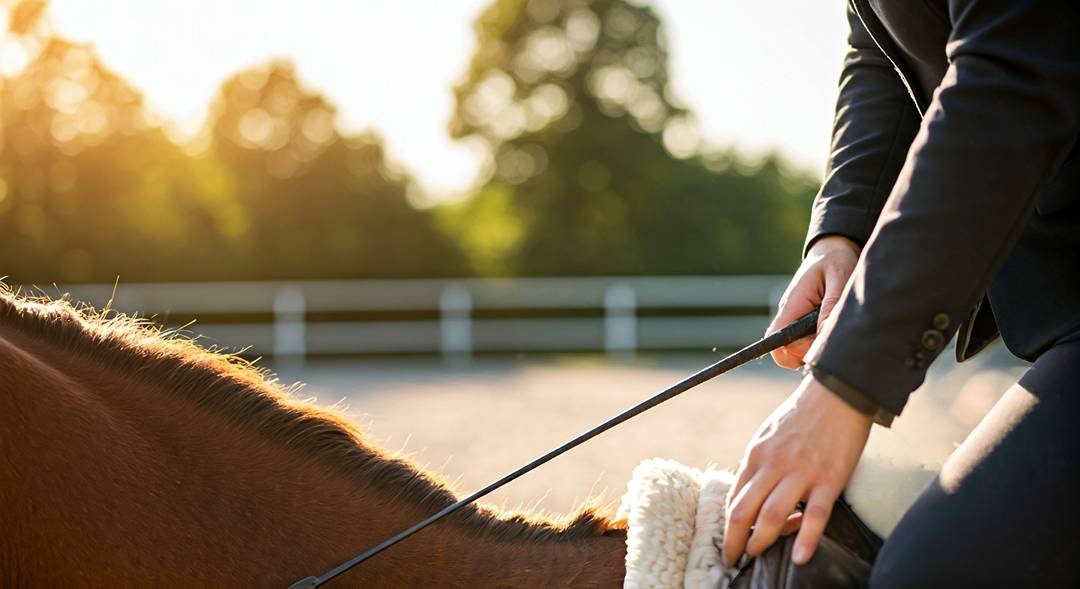
A riding crop is an important tool for people who enjoy horse riding. It helps riders give simple and clear signals to their horses. When used together with natural aids like legs, voice, and hands, a riding crop makes it easier for the horse to understand what you want. This means the horse can respond easily and trust you more. No matter if you are training, in a competition, or just out for fun, learning to use a riding crop the right way can make your whole riding experience better. It also helps you and your horse work together in a good way.
A riding crop is a tool that riders use in horse riding. It gives riders a way to talk to their horses that is both soft and clear. The crop is a short stick. It can be 24-30 inches (60-75 cm) long. It often has a shaft with a small flap or what people call a "keeper" at one end. This part is there for a reason. It helps the rider give light and clear messages to the horse when training or during riding contests. The rider does not need to use a lot of force.
The riding crop works with your natural aids. These are things like using your legs or reins to guide the horse. It helps the horse pay more attention to you. The main job of the crop is not to punish the horse. Instead, it helps support better balance, responsiveness, and understanding between you and the horse. When used the right way, this tool helps build trust through every step of riding. It makes training or events go well for both the rider and the horse.
The design of a horse riding crop focuses on both use and being comfortable for the rider. That's why many people use it in equestrianism. The compact size of a horse riding crop—usually from 24 to 30 inches (around 60-75 cm)—lets you have good control but does not make it hard to move. This shorter length works well for riding or during jumping practice because you need to be exact.
The biggest part of the crop is the shaft. This part is made to be flexible and light. The shaft is covered with leather or woven fibers. Sometimes, synthetics are used, which help it last. On the shaft's end is the keeper or lash. This part is very important when you ride. The flat keeper gives cues that the horse will feel. It is soft, but horses do feel it, so the signal is clear.
Another main thing is the handle. The handle should be easy to hold. It is made from rubber, leather, or plastic. Many handles also have a strap to help keep the crop steady in your hand. All of these features, like clarity from the keeper, help make riding with a crop feel better for the rider. They also make sure signals to the horse are smooth and clear.
While riding crops and riding whips might look the same at first, there are some big differences between them in harness riding. A riding crop is shorter in length. Most of these are about 24 to 30 inches long, or 60 to 75 cm. Some riding whips, like dressage whips, can be much longer. These can be up to 47 inches or 120 cm.
The shaft on a riding crop is hard, so you can make quick and clear moves with it while keeping the hounds in mind. Riding whips usually have flexible ends. This makes them good for smooth and sweeping actions. The way these whips bend is helpful for dressage, as you need to use your hands in a softer way for this type of riding.
There is also a difference in the reason people use them. Riders mostly use a riding crop in jumping and general riding because of the compact size and the way it gives direct signals to the horse. Riding whips are more for special types of training, like groundwork or when people are doing tough skills. Choosing the right type of whip or crop is important to help the rider do well and also to keep the horse comfortable.
There are a few different types of riding crops. Each type is made for specific ways of riding. The jump bat is a good pick for people who want to do show jumping. It has a steady handle and a shape that can fit many uses. These crops are small, so you can use them with good precision when you move fast.
If you do dressage, you will need longer dressage whips. These help riders give gentle and clear signals to the horse during dressage work. By knowing about these types, you can pick the best crop for your riding and your goals.
The world of riding crops has two main types: general-purpose and specialty crops. To get the most out of them, it’s good to know what makes them different.
General-purpose crops:
Specialty crops:
Picking the right crop depends on what you need. Think about if you want one that’s good for all-around practice or one that gives more control in contests.
The quality of a riding crop comes from what materials go into making it. A lot of Australian riding crops show that they are made to last and that they bring comfort for the rider. When you look at what they are made from, you will usually see:
| Material | Description |
| Cane | This is light and bends well. It is often in the shaft to help give more precision during riding. |
| Leather | This has a classic style. It is mainly used for the keeper or for the grip. |
| Synthetic Fibres | These last long and cost less. People use them in the shaft or to cover the crop. |
| Rubber | This is used on the handle so you can hold on tight. It helps riders stay in control while riding. |
When you pick a crop made of these things, it is more sure to be strong enough to last. It will also meet the needs people have for different riding styles and for more control and precision using the shaft, keeper, or cane.
To sum up, a riding crop is a key tool for people who ride horses. You use it not just to help guide the horse but also to talk to the horse in a simple way. If you learn about the design, the different kinds, and the right way to use this tool, you can make your riding much better. It will also help keep your horse happy and safe. It is important to always treat your horse well and listen to its needs. Spend some time learning and taking care of your riding crop so it stays in great shape. If you want to know more about how to use it or how to keep it working well, feel free to ask for help or a lesson. This way, you can keep growing your riding skills and enjoy your time with your horse even more.
Yes, riding crops are legal in Australia. There are strict rules for using them in the competition arena. The people who make the rules want to put the well-being of the horse first. You can get disqualified or get penalties if you abuse the crop while riding.
Taking care of the crop is important. Keep it clean and dry, so the material does not get damaged. Leather parts need to be treated now and then. Cane and synthetic parts do not need much cleaning. Check often to see if there is any damage. This helps the crop last longer.
If you use a riding crop the right way, it is not likely to hurt your horse. The crop gives precision and works well with natural aids. This helps lower the chance of discomfort for the horse. With good training, the crop helps the horse understand cues in a respectful way. It is about working together, not giving punishment.
To introduce a riding crop, start in a normal riding session. Give light taps with the crop along with using the reins or leg aids. This helps the horse link the crop to being responsive. Take your time and be patient, so you build trust through clear and effective communication.
Comments (0)