A Blueprint for Life: Understanding How Oligos Guide Cellular Processes
12 months ago 511

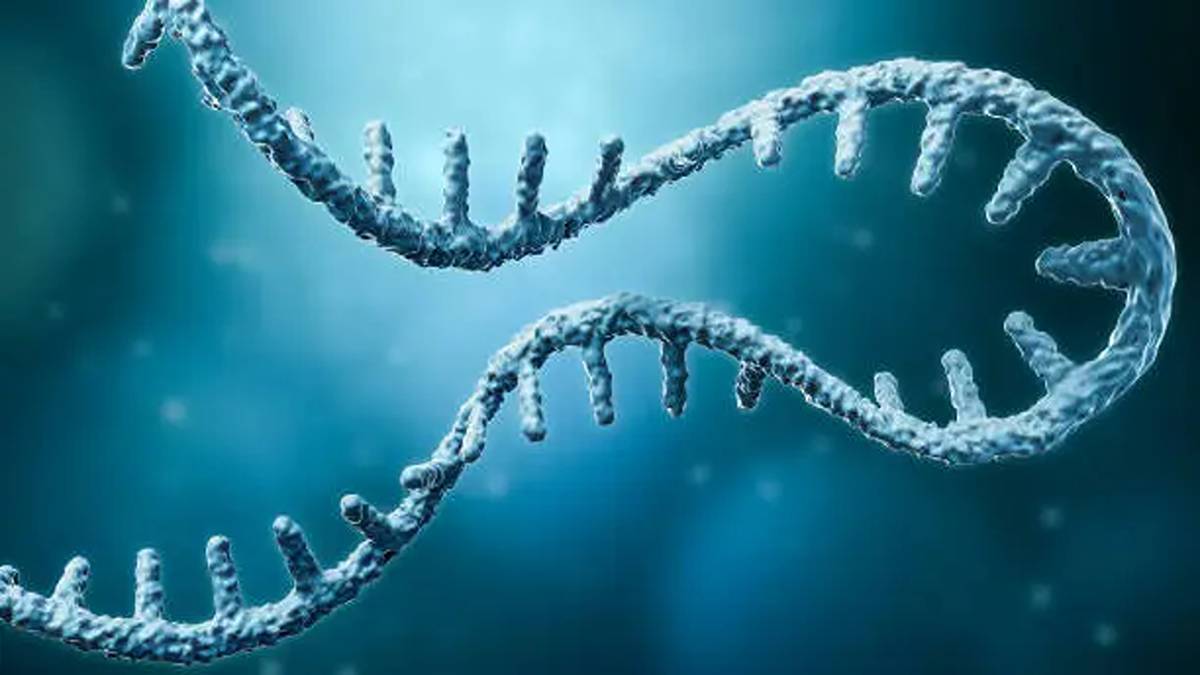
Our bodies are magnificent, intricate machines, constantly performing countless processes with astonishing precision. From the beating of our hearts to the firing of neurons in our brains, every function, every repair, and every growth spurt is orchestrated at the cellular level. At the center of this molecular orchestra are small, but incredibly impactful molecules referred to as oligos (an abbreviation for oligonucleotides). These seemingly simple chains of nucleotides are, in essence, the silent conductors of our cellular orchestra, carrying vital instructions that form the very blueprint for life and hold immense implications for our health.
For too long, the focus in molecular biology was primarily on the large, complex structures like DNA and proteins. While undeniably crucial, the dynamic role of these smaller, often fleeting, oligos molecules is now coming to light, revealing their indispensable functions in guiding cellular processes, influencing disease, and offering groundbreaking avenues for therapeutic intervention. Understanding how oligos work is not just an academic pursuit; it's a key to unlocking new strategies for maintaining health, fighting disease, and even extending our healthy lifespans.
At its most fundamental level, life's instructions are stored in our DNA. But DNA doesn't directly build proteins or carry out cellular tasks. That's where oligos, particularly those involved in RNA, step in as essential intermediaries. To build something, you don't take the entire blueprint out; you make smaller, specialized copies of specific sections.
These copies are often a type of oligo called messenger RNA (mRNA). An mRNA molecule is a brief, single-stranded replica of a gene found in DNA. It transports the genetic information from the nucleus, where the DNA is located, into the cytoplasm of the cell, where proteins are synthesized. Without mRNA, the vital information encoded in our genes would remain trapped, unable to be translated into the proteins that perform almost every function in our bodies – from enzymes that digest food to structural components that build our tissues.
The role of oligos extends far beyond just carrying genetic messages. Many oligos act as powerful regulators, fine-tuning gene expression and safeguarding cellular health.
A captivating group of regulatory oligonucleotides is microRNAs (miRNAs). These are very small, non-coding RNA molecules that play a critical role in silencing genes. When miRNA regulation goes awry, the consequences for health can be severe. Dysregulation of specific miRNAs has been linked to the development and progression of various diseases, including cancer, cardiovascular disorders, and neurodegenerative conditions. For instance, an miRNA that normally suppresses tumor growth might be under-expressed in cancer cells, leading to uncontrolled proliferation. Understanding these regulatory oligos opens doors to new diagnostic tools and therapeutic targets.
Another vital group are small interfering RNAs (siRNAs). These oligos are often involved in defending the cell against viral invaders or silencing rogue genes. They act as molecular "search and destroy" agents, specifically targeting and degrading undesirable mRNA molecules. This natural cellular defense mechanism is now being harnessed in the development of RNA interference (RNAi) therapies, which use synthetic oligos to silence disease-causing genes, offering hope for previously untreatable conditions.
When DNA replicates, or when it needs to be repaired after damage, short primer oligos provide a starting point for the DNA synthesis machinery. Without these crucial "primers," the complex process of copying our entire genome would simply grind to a halt.
Furthermore, oligos are involved in telomere maintenance. Telomeres are protective caps at the ends of our chromosomes, crucial for maintaining genetic stability. As we age, telomeres naturally shorten, a process linked to cellular aging and age-related diseases. Oligos play a role in the enzyme telomerase, which helps to maintain telomere length, highlighting their connection to the fundamental processes of aging and longevity.
The more we unravel the intricate world within our cells, the more we appreciate the subtle yet profound power of oligos. These unassuming chains of nucleotides are far from simple building blocks; they are dynamic participants in life’s most essential processes, acting as messengers, regulators, and even repair agents. As research continues to illuminate their vast capabilities, oligos are not just expanding our understanding of biology; they are providing us with a powerful new blueprint for intervention, promising a future where we can more effectively guide cellular processes towards health, resilience, and vitality.
Comments (0)