Why More People Are Quietly Choosing This Type Of Rehab Over All Others
12 months ago 468

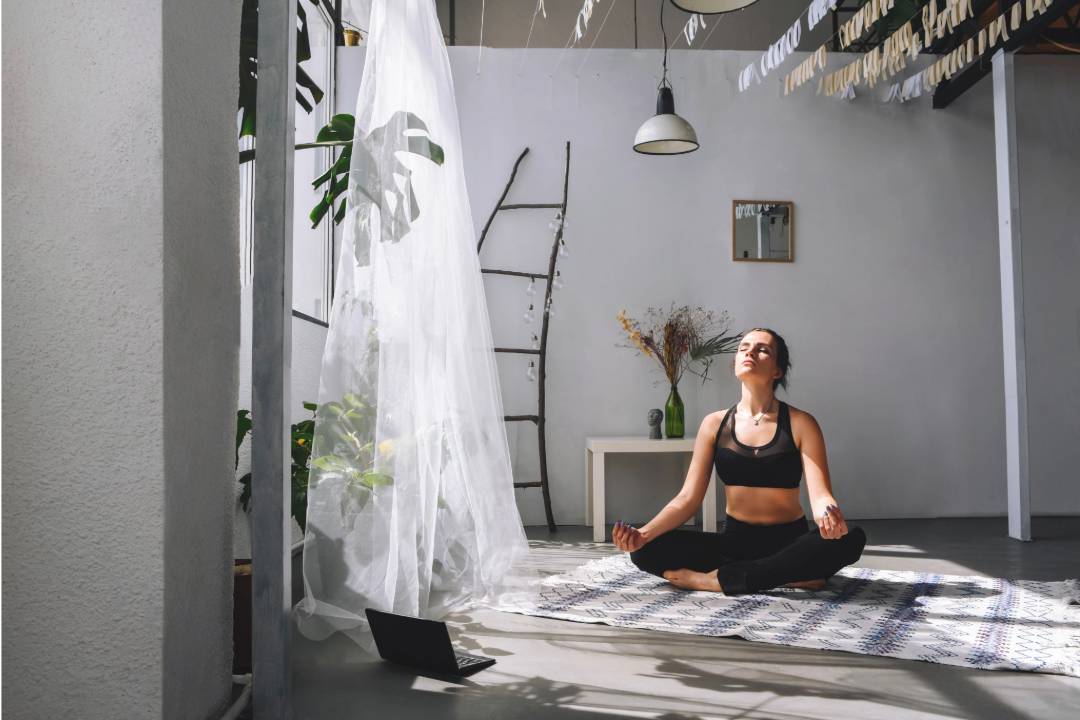
Not all recovery programs are built the same, and anyone who’s ever tried to white-knuckle their way through a rough patch knows that fast. The setting, the approach, the support—it all matters more than most people realize. And if you're walking into treatment for the first time, or coming back after a relapse, the difference between just checking into a program and actually feeling safe in one is massive.
Rehab isn’t a generic fix. There are different types for a reason. Some people thrive in structured, bootcamp-style programs. Others need something gentler, more private, and deeply personalized. That’s where luxury treatment stands out—not because it’s fancy, but because it’s built for real, sustained healing without all the noise. It isn’t just for celebrities or hedge fund managers. Plenty of regular people with high stress, complex trauma, or years of trying to get better elsewhere end up there because it works.
Every recovery story starts with detox. It’s the clean slate, the part where your body finally gets to stop fighting with itself. But it’s not rehab, and it’s not where you learn to live differently. Detox strips things down to the bones—your sleep, your appetite, your ability to think clearly. You’re not rebuilding yet. You’re just stabilizing.
The tricky part? Detox often gets lumped in with the entire rehab process, like once you’ve sweated it out for a few days, the hardest part is over. That’s wishful thinking. Real change takes more than surviving withdrawal. It takes learning how to be human again without leaning on the thing that nearly destroyed you. That starts after detox ends—and depending on where you go next, it can make or break your chances.
Inpatient programs usually mean 30 days or more in a facility. You’re away from home, work, and anyone you might be tempted to use with. For some people, that’s the reset button they’ve needed for years. The days are structured, the therapy is intense, and the distractions are kept to a minimum.
Outpatient treatment looks different. You live at home and show up for therapy sessions a few times a week. It’s flexible, cheaper, and can be great for someone who isn’t physically dependent but still needs help. But it also leaves a lot of room for old habits to creep back in. People often underestimate how much downtime can turn into relapse time.
Then there’s partial hospitalization, intensive outpatient, and a bunch of other hybrids that try to bridge the gap between the two. Some work. Some feel like daycare for adults. And some leave people feeling even more overwhelmed than when they walked in.
But when you strip it all down and ask, “Where am I actually going to feel safe enough to stop pretending?” the answer usually isn’t a gray cinderblock room in a converted office park. It’s somewhere calm, private, and human-centered. Somewhere like a luxury rehab in California, Vermont or anywhere in between—the kind of place where the outside world doesn’t get to crash through the door while you’re still learning how to breathe again.
A good recovery space doesn’t need to look like a resort, but if you’re in survival mode, having an actual bed, fresh food, and space to think can feel life-saving. Luxury treatment centers take that seriously. It’s not about overindulgence. It’s about removing the chaos.
When the nervous system is already fried, everything else becomes harder. Group therapy? Tough if the person next to you is shouting. Personal reflection? Not happening when you’re worried about the sketchy roommate in detox who just stole your charger. Healing needs calm. That’s not a privilege—it’s a basic need, especially for people who’ve spent years living in their own internal war zone.
And let’s not forget trauma. A lot of people walking into rehab aren’t just dealing with addiction. They’re dealing with layers of pain, abuse, burnout, or loss that never got addressed. Putting those people in chaotic, high-stress environments does nothing but reinforce what they already believed: that the world is unsafe and they don’t matter.
In a thoughtfully designed program, with the right clinicians and staff, everything changes. There’s room to focus on what really caused the spiral—not just the symptoms. Some places even offer specific trauma modalities, like EMDR or somatic therapy, alongside the basics. That’s not fluff. That’s necessary when you’ve been running on empty for years.
Old-school rehab models love a tough-love approach. Structure is fine. Shame is not. People don’t heal by being told they’ve failed. They heal when someone says, “You’ve made it this far. Let’s figure out what comes next.”
The best programs are rooted in compassion. That doesn’t mean they let people off the hook. It means they treat them like whole humans, not cautionary tales. Luxury treatment centers tend to get this balance right. Their staff isn’t cycling through 40 patients a week. They’re paid well enough to stay, and they build relationships that actually matter.
And when someone finally opens up—for the first time in years, maybe—it’s not to a rotating cast of overworked interns. It’s to someone who’s been watching, listening, and showing up every day.
That kind of stability makes a difference. Especially when you hit a wall three weeks in and want to walk out the door. When your therapist actually knows your story and cares about the outcome, it’s a whole lot harder to disappear back into your old life.
Sometimes, checking into rehab means walking away from everything—your job, your partner, your kids. That’s not always an option. Or maybe it is, but the cost feels too high. For people in that spot, there are newer models that blend privacy and flexibility, including online rehab options that bring intensive care into your home without the full-time commitment.
Online rehab can’t replicate the environment of a quiet residential setting, but for someone who can’t disappear for a month, it can be a lifesaver. It’s discreet, structured, and often run by the same teams that staff high-end centers. That said, if you do have the option to unplug and step away, in-person treatment still holds the edge—especially when it comes to emotional processing and physical wellness.
Luxury programs tend to offer all of it. In-person, outpatient, remote follow-up, and aftercare that doesn’t just drop you cold the minute you graduate. They understand that rehab isn’t a one-time event. It’s a door you walk through. What happens after matters just as much.
If you've been circling the drain for years, barely holding it together, the last thing you need is a program that treats you like a problem to be solved. What you need is space. People who know what they're doing. A clean bed. A real meal. A reason to try again.
Luxury rehab offers that—not because it’s indulgent, but because it respects the fact that people don’t bounce back in chaos. They heal in quiet, with support, and without judgment. Whether you’ve been in treatment before or this is your first time reaching for help, the environment you choose could shape everything that comes next.
No one chooses addiction. But you do get to choose what happens next. If you're lucky enough to have options, pick the one that treats you like a person, not a case number. Pick the one that gets results without breaking you in the process. The one that knows healing takes more than cold turkey and motivational posters.
Sometimes, the smartest thing you can do is say yes to the softer landing. Not because you want comfort. But because, deep down, you know you've already done the hard part—surviving long enough to get here.
Comments (0)