7 Proven Solutions to Fix Healthcare Staffing Shortages in 2025
12 months ago 1007


The healthcare industry is facing a deepening staffing crisis. Forecasts predict a shortfall of more than 100,000 physicians by 2024. The nursing outlook is even more alarming, with an annual deficit of 200,000 nurses expected through 2031. By the end of 2022, over 145,000 healthcare providers had left their positions, including nearly 35,000 nurse practitioners across the country.
This growing shortage has created a perfect storm. One in five hospitals now report not having enough nurses to meet demand. States such as South Carolina, Maryland, Michigan, Delaware, and Virginia are seeing the most acute shortages, and the problem is not limited to the United States. The World Health Organization estimates that the global healthcare system will be short 11 million workers by 2030.
Hospitals are also feeling the financial pressure, with labor costs rising nearly 37 percent compared to pre-pandemic levels. Despite these challenges, there are clear paths forward. This article looks at seven effective strategies healthcare organizations can use to overcome staffing issues, from cutting-edge telehealth solutions to expanded education pipelines.
One strategy that consistently delivers immediate results is locum tenens recruitment, which gives hospitals and health systems access to qualified physicians on a short-term or contract basis to cover vacancies, leave, and sudden increases in patient volume. Unlike longer-term workforce development strategies, locum staffing can bridge gaps in days rather than months, making it particularly valuable in the current environment where physician shortages are both acute and widespread. Caliber Health Locum Recruitment helps healthcare organizations respond to these pressures quickly, connecting facilities with thoroughly vetted locum physicians across specialties and managing the logistics of each placement from credentialing through onboarding.

Telehealth, once a stopgap during the pandemic, has evolved into a key solution for healthcare staffing challenges. Usage surged by 154% in 2020, according to the CDC, and the technology has since proven its long-term value. Clinicians can treat more patients regardless of location, easing the burden on in-person staff and expanding the reach of healthcare systems.
This approach is especially impactful in underserved and rural communities, where provider shortages are most severe. Telehealth helps close access gaps, allowing patients to attend routine appointments without long travel times.
Tools like Remote Patient Monitoring (RPM) take it further, using wearable devices and home equipment to send real-time health data to providers. These innovations improve outcomes while distributing the workload more efficiently across the care team.
RPM makes everything work better in several ways:
Telehealth offers a powerful financial and operational advantage for healthcare systems. By reducing the need for physical infrastructure and lowering the cost of consultations, facilities can reallocate resources to staff training and development. When combined with AI and workflow automation, telehealth becomes even more effective.
Beyond efficiency, telehealth plays a key role in supporting workforce retention and flexibility. It allows clinicians, especially those nearing retirement or in remote areas, to continue practicing in ways that fit their lifestyles
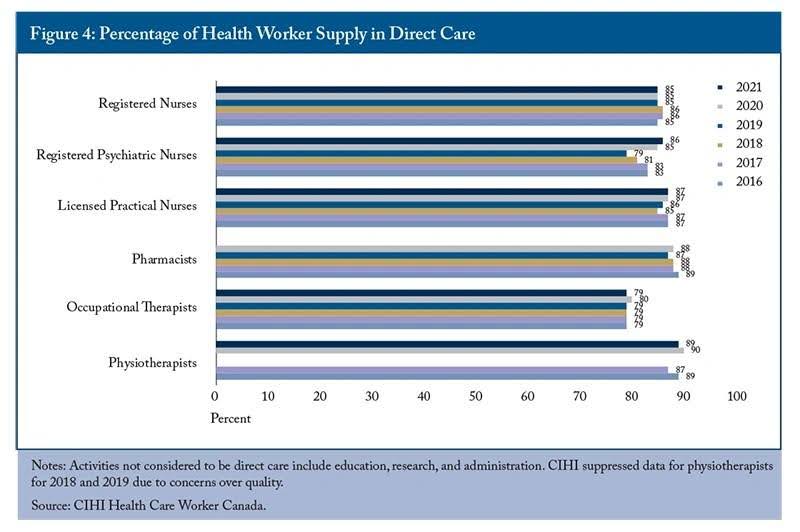
Image Source: C.D. Howe Institute
Graduate Medical Education (GME) leads the way in developing our future physician workforce. However, decades-old funding restrictions continue to limit its potential. GME serves as the final phase of physician training after medical school.
The United States will likely face a shortage of up to 86,000 physicians by 2036. This gap stems from our growing, aging population that needs advanced medical care. Much of the current physician workforce is also approaching retirement age.
The biggest problem stems from the Balanced Budget Act of 1997's caps on Medicare-funded GME positions. This law has frozen the number of federally supported residency positions for more than two decades. Medical school enrollment has grown by over 35% since 2002, yet this restriction creates a bottleneck in physician training.
GME funding's financial structure explains why expansion has proven difficult. Medicare provides the largest share of GME funding, contributing $16.20 billion in payments in 2020. The funding splits into two streams:
Expanding Graduate Medical Education (GME) is a strategic move to strengthen the future healthcare workforce, particularly in underserved and rural areas. The legislation prioritizes residency placements where they are most needed, helping to close gaps in access to care across the country.
GME expansion offers long-term solutions to physician shortages by creating a sustainable pipeline of trained professionals. Programs like the Rural Residency Planning and Development initiative help offset the high startup costs for rural teaching hospitals, encouraging more physicians to train and stay in those communities.
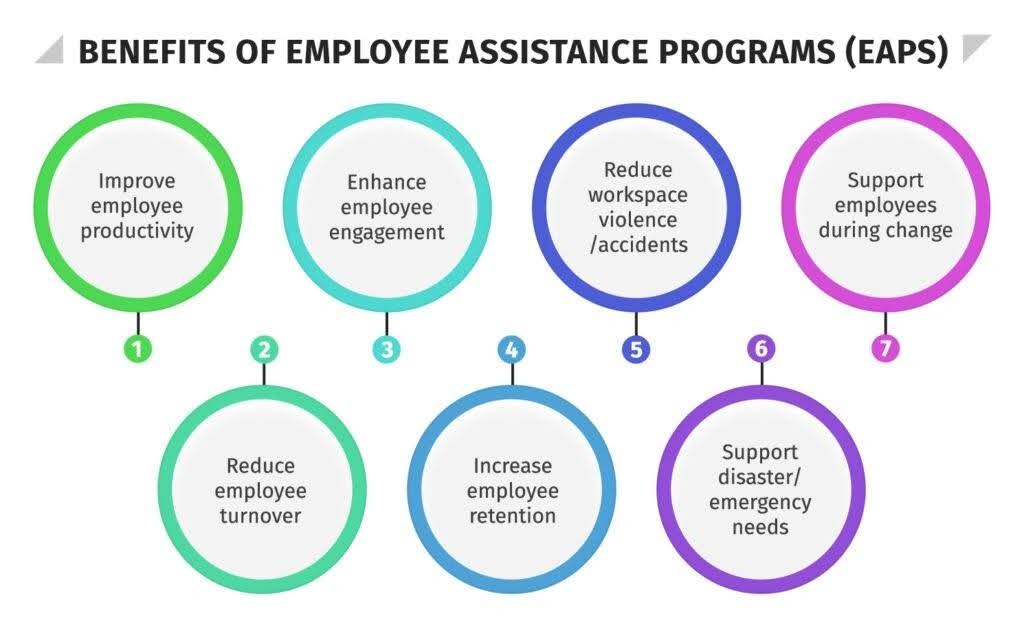
The mental health crisis among healthcare professionals has reached alarming levels. About 46% of health workers reported frequent burnout in 2022, up from 32% in 2018. Staff shortages have made it crucial to focus on medical professionals' psychological wellbeing, not just as a compassionate choice but as a strategic necessity to keep the workforce.
Recent years have intensified healthcare workers' psychological challenges. Medical professionals report high rates of anxiety (86%), frustration (77%), and exhaustion (76%). Only 13% of frontline health workers have used behavioral health services, despite these concerning numbers.
The workplace environment plays a major role in staff's mental health. Health workers experiencing harassment doubled from 6% in 2018 to 13% in 2022. Trust in management fell from 84% to 78% during this time. T
Healthcare organizations need several approaches to deal with staff's mental health concerns:
Supporting mental health in healthcare settings is crucial for workforce retention and quality care. Research shows that when staff trust their leadership and work in supportive environments, burnout rates drop significantly. Leadership training that fosters trust and open communication plays a key role in both staff satisfaction and patient outcomes.
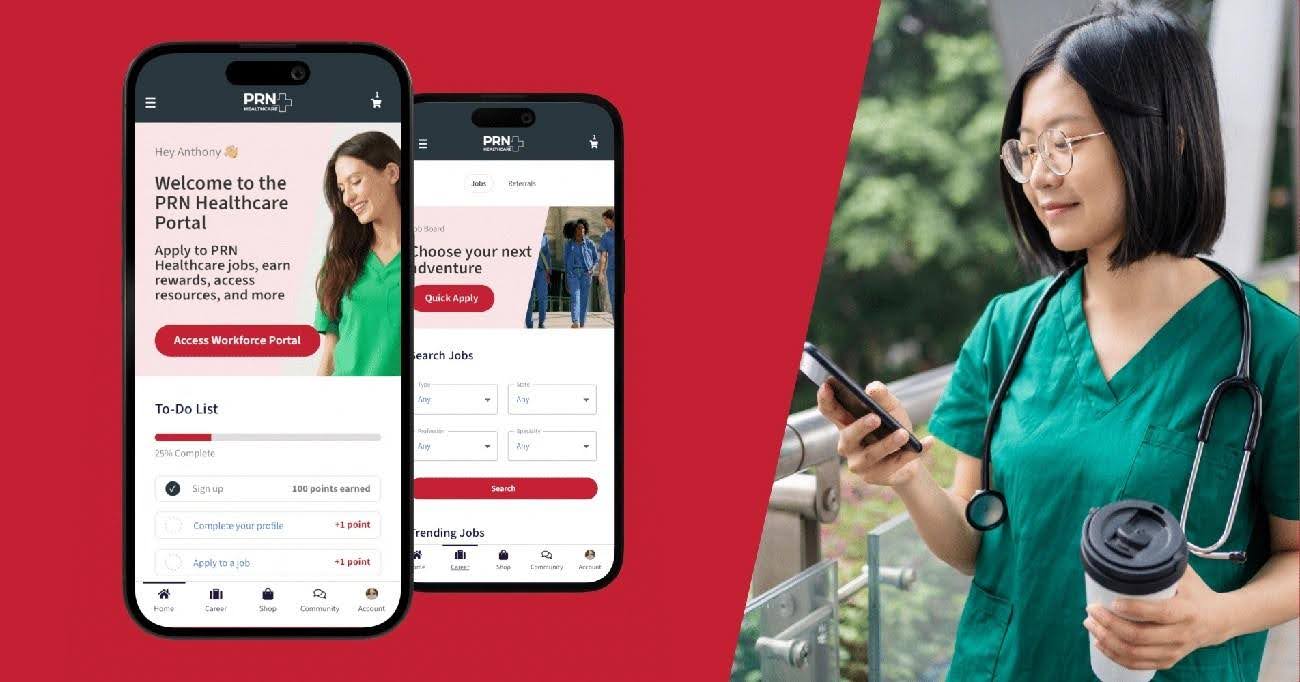
Healthcare facilities face widespread staffing shortages today. PRN (Pro Re Nata or "as needed") staffing has become a vital solution to fill immediate staffing gaps. Traditional long-term strategies take too much time. PRN staffing gives healthcare facilities the flexibility they need to adapt faster to changing patient demands and unexpected staffing challenges.
Healthcare facilities hire PRN clinicians to pick up shifts on a temporary, flexible basis. These professionals help regular staff during busy periods, cover unexpected absences, and fill gaps while new long-term hires prepare to start work. PRN staffing creates a responsive team of healthcare professionals ready to work exactly where they're needed most.
Solutions like prn staffing solutions from Nursa make it easier for healthcare organizations to connect with qualified clinicians quickly and efficiently. Their platform allows facilities to post open shifts and access a network of licensed professionals who are ready to step in when needed, reducing reliance on costly travel contracts and minimizing disruption to patient care.
PRN staffing prevents these capacity reductions by providing coverage for:
PRN staffing offers healthcare organizations a flexible, cost-effective solution to ongoing workforce challenges. By relying on temporary or part-time clinicians, facilities can reduce labor costs without sacrificing patient care. Urban hospitals use PRN staff to manage seasonal surges, while rural facilities depend on them to maintain essential services when recruiting permanent staff proves difficult.
Beyond cost savings, PRN staffing supports staff wellbeing and retention. It eases the burden on full-time workers by preventing excessive overtime and burnout, especially during high-pressure periods. To be effective, PRN staffing must be well-managed, with clear communication and shift incentives to fill less desirable times.
Money worries are driving the healthcare retention crisis. Research shows that healthcare workers stay longer in their jobs when they can access their pay on demand to reduce financial stress - about 71% are more likely to stay. Healthcare organizations need competitive pay packages to keep their skilled professionals from looking elsewhere.
High turnover hits hospitals hard in the wallet. They spend between $3.60 million and $6.50 million each year just on recruiting and training new staff. These costs pile up faster because voluntary departures make up 95.4% of all hospital staff losses.
Healthcare pay typically falls behind other industries. Nonprofit health systems and hospitals usually set their pay rates lower than market competitors. This strategy doesn't work well anymore as other industries offer better packages to attract similar talent. Pay budgets jumped from the original "low three percent" to 4.2% in late 2021, and 25% of companies planned raises above 6%.
Healthcare organizations need more than just good base salaries to compete. These financial incentives work well:

Healthcare professionals spend almost half their workday on administrative tasks. This reduces their time with patients and leads to burnout across the industry. Many healthcare facilities don't deal very well with staff shortages. Technology offers promising ways to reduce this paperwork load and give providers more time with patients.
Automation tools are changing how healthcare operations work by streamlining processes and making staffing more efficient. These technologies tackle administrative challenges through several key solutions:
Automation and AI are becoming essential tools for addressing staffing shortages and reducing operational costs in healthcare. With 60% of healthcare budgets going to labor and nearly a quarter to administrative tasks alone, automating routine processes offers a clear financial advantage. AI-driven tools support clinical decision-making, streamline paperwork through voice recognition, and reduce burnout by cutting time spent on repetitive tasks.
Smart technology also improves efficiency in front-office operations. AI-powered phone systems, scheduling tools, and billing platforms reduce the need for additional staff while improving accuracy and payment turnaround. However, successful implementation requires user-friendly design, as many physicians report frustration with current systems.

Healthcare organizations need forward-thinking strategies that place diversity and inclusion at their core. Organizations must take multiple steps to curb staffing shortages. These steps should include new ways to recruit, better training methods, more career options, and initiatives to make the workforce more diverse.
Several healthcare institutions have created pipeline programs that others can learn from. The University of Maryland St. Joseph Medical Center partnered with Community College of Baltimore County in a groundbreaking initiative. They offer 30 scholarships that cover tuition for certified nursing assistant programs and provide $1,000 monthly stipends to help with finances.
Grady Health in Atlanta shows another great example with their Teen Experience and Leadership Program. The program lets 236 high school students follow healthcare professionals in different departments. This early exposure encourages young people to consider healthcare careers.
The retention of diverse talent depends heavily on leadership diversity. Research shows that employees believe they can advance when they see leaders who represent them. Some strategies that work include:
Solving the healthcare staffing crisis requires more than short-term fixes. As the demand for care continues to grow, healthcare organizations must take a proactive, multi-layered approach. The seven strategies outlined in this article—ranging from telehealth and GME expansion to mental health support and smarter compensation—offer practical, scalable solutions to stabilize the workforce in 2025 and beyond.
No single tactic will be enough on its own. But when these approaches are combined, they create a resilient system that supports both patients and professionals. Investing in workforce flexibility, mental wellbeing, technology, and long-term talent development is not just about filling jobs—it’s about building a sustainable future for healthcare.
Comments (0)