5 Unique Ways Students Foster Belonging Beyond the Classroom
1 year ago 661

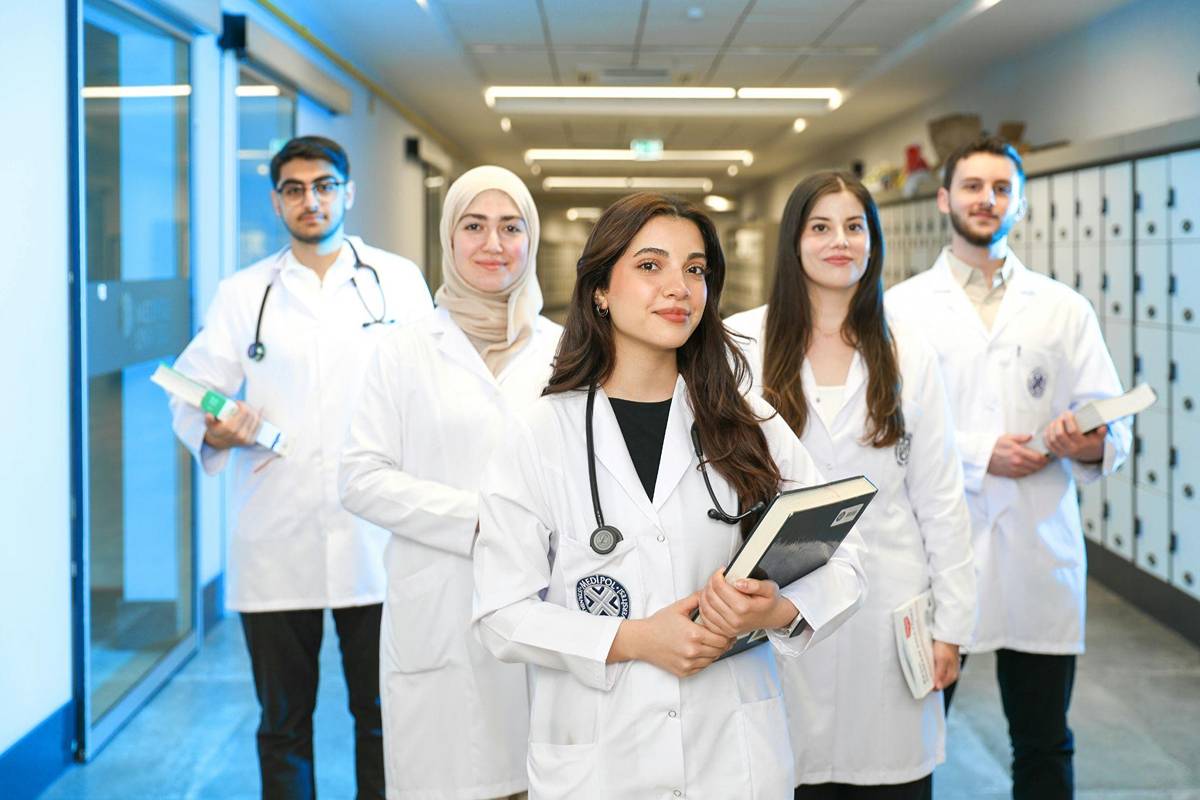
You’re new. The lecture hall is full. The syllabus is dense. And suddenly, you wonder, where do I fit in?
That gnawing question isn’t just yours. It’s the quiet hum in the background of every orientation, study session, and clinical rotation. Medical school isn't just grueling; it can be isolating. Now here’s the twist: the strongest medicine for that? Isn’t always academic.
Across campuses, students are rewriting the script. They're building community through unexpected rituals, inside jokes forged in anatomy labs, late-night group challenges, and tangible symbols that say, you belong here too. Read on for more.
It’s one thing to earn a badge of honor. It’s another to share it with people who know exactly what it took to get there. More student groups are creating physical emblems to represent milestones, inside jokes, or collective challenges. These symbols don’t need to be grand. What matters is that they mean something real to those who hold them.
Medical students, for instance, have started designing coins not just to mark match day or residency placement but to represent niche groups. You can use customchallengecoins.net to create professional-quality tokens that turn moments of survival into stories of pride. A coin earned together becomes more than memorabilia. It becomes a shorthand for solidarity.
Whether it's a coin, patch, or bracelet, these objects travel with students through clinical rotations and beyond, quietly saying: I’m not doing this alone.
Belonging deepens when people are invited to share more than their wins. Weekly “Rose, Thorn, Bud” check-ins have become a favorite among study groups, student organizations, and even full med school cohorts. Each person shares one positive moment from the week (rose), one challenge or stressor (thorn), and one thing they’re looking forward to (bud).
This low-pressure ritual opens space for vulnerability while keeping the mood balanced. Students hear each other’s struggles and realize their stress isn't just personal. It’s communal.
These rituals work best when they’re protected time:
It’s structured enough to avoid awkward silences and open enough for people to share something real.
Formal mentorship often comes with paperwork and scheduling conflicts. But micro-mentorships (informal, recurring conversations between slightly more experienced students and those a year or two behind) offer something more organic.
Many student groups now create rotating micro-mentor programs tied to very specific moments: first OSCE, first patient interview, first failed exam. The mentors don’t give lectures. They just listen and share what they wish someone had told them.
This kind of structureless support is often the most sustainable. It doesn’t require a title or program. Just someone who’s been there, taking a moment to walk with someone who’s just arrived.
Many students find their strongest communities in spaces built around shared identity or lived experience. Affinity pods (small groups formed around race, gender, culture, disability, or socioeconomic background) can offer grounding in a way academic-based clubs rarely do.
In these pods, the conversation doesn’t need translation. Members don’t need to explain the invisible weight they carry, whether it's microaggressions in a clinic or navigating rotations without generational wealth. There’s a shared shorthand.
Not everything has to be high-stakes. In fact, one of the most unifying things a student group can do is bond over something unserious. Medical student life is often intense, so leaning into absurdity or play is its own kind of rebellion.
Groups have designed themed challenges like:
“No Scrubs Week” – Everyone commits to wearing non-scrub outfits (within clinic rules) and celebrates the creativity
“Med School Bake-Off” – Competitions judged by peers where creativity trumps actual baking skill
“Anki Detox Day” – A full-day break from flashcards, complete with analog games and storytelling
“Match Me If You Can” Trivia Nights – Pre-match games where students try to guess where peers are hoping to place, sparking honest conversation about future dreams
Students don’t wait for institutions to build belonging anymore. They do it themselves; with creativity, intention, and a good dose of humor.
Belonging isn’t a side effect of schooling. It’s something students now actively build. One token, one story, one shared weird tradition at a time.
Comments (0)