Exploring the Health Benefits of NMN Supplements: What Medical Students Should Know
1 year ago 1020

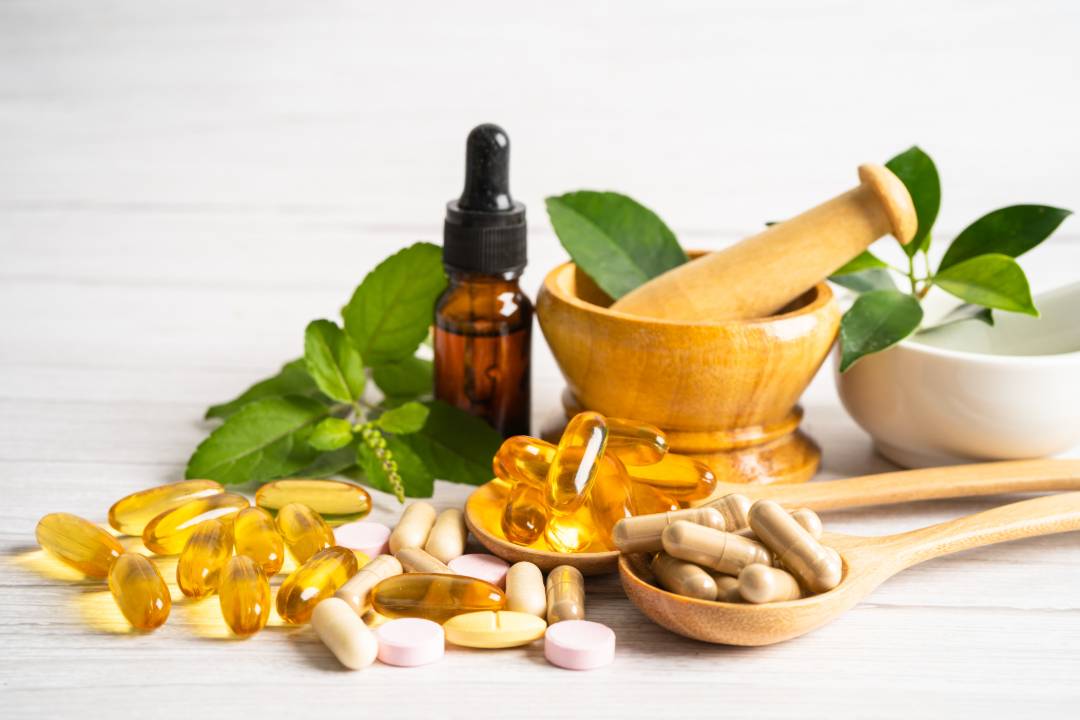
As the fields of anti-aging and metabolic health continue to expand, one molecule has captured significant attention: Nicotinamide Mononucleotide (NMN). A compound found naturally in the body, NMN plays a key role in cellular energy and longevity. Though once reserved for scientific journals and biotech research, NMN has now entered the supplement market with full force—sparking conversations not just among health enthusiasts, but also within the medical community.
For medical students, understanding NMN isn’t just about following trends. It’s about staying ahead of the curve in a healthcare landscape where patients increasingly seek out supplements and alternative therapies. This article explores what NMN is, its potential benefits, and why future doctors should pay attention.
NMN is a precursor to NAD+ (nicotinamide adenine dinucleotide), an essential coenzyme found in all living cells. NAD+ is crucial for energy metabolism, mitochondrial function, DNA repair, and cellular communication. Unfortunately, NAD+ levels naturally decline with age, contributing to fatigue, impaired metabolism, and aging-related diseases.
That’s where NMN comes in. By supplementing NMN, the body may be able to restore and maintain optimal NAD+ levels, improving everything from energy production to cellular health. This concept underpins much of the current research and excitement around NMN in both longevity science and clinical health.
While NMN research is still evolving, several promising health benefits have been documented in both animal and early human studies.
NMN helps restore NAD+ in mitochondria, potentially increasing ATP production and reducing fatigue. This may be especially helpful for older adults or individuals with metabolic dysfunctions.
Animal studies suggest that NMN can improve brain blood flow and cognitive function, particularly in aging mice. Human research is still ongoing but indicates similar potential for supporting brain health.
NMN has been linked to improved insulin sensitivity, better lipid profiles, and reduced inflammation—all important markers in managing diabetes and cardiovascular disease.
In mouse studies, NMN supplementation has extended lifespan and enhanced physical performance in older animals. While it’s too early to claim the same effects in humans, the early data is promising.
NAD+ is vital for activating enzymes like sirtuins and PARPs, which are involved in DNA repair and aging regulation. By boosting NAD+ levels, NMN may support cellular health and slow biological aging.
So far, clinical trials have shown NMN to be generally well-tolerated with few reported side effects. Most studies use daily dosages ranging from 250 mg to 500 mg, and some even go up to 900 mg with no serious adverse events. However, long-term data is limited.
The FDA currently classifies NMN as a dietary supplement, although its regulatory status may evolve as more clinical trials are completed. It's also worth noting that product quality can vary significantly between brands, which raises concerns about purity and efficacy.
As future healthcare providers, medical students must be prepared to answer patient questions not only about medications and surgeries but also about supplements like NMN. Here's why NMN should be on your radar:
Understanding NMN can also deepen your grasp of core concepts like metabolism, mitochondrial function, and cellular aging—topics that are highly relevant to your coursework and clinical future.
If you or your patients are considering NMN, choosing the right product matters. Key factors include:
There are now dozens of NMN supplements on the market, making it challenging to pick the right one. For an in-depth comparison of top-rated options, this guide on which NMN brand is best breaks down product quality, testing, and effectiveness.
While NMN is not a magic pill, it represents a fascinating intersection between biochemistry, aging, and preventive health. For medical students, it’s a compelling case study in how science becomes accessible to the public—and why staying informed is part of being a responsible future physician.
Whether NMN becomes a mainstream tool in clinical medicine or remains a niche wellness supplement, one thing is clear: understanding it will make you a more informed and versatile healthcare professional.
Comments (0)